Travel and Verse

stories of travel, medical missions, and more

Page 9 of 26

Dark Magic

Travel Journal, 89

My work as a paramedic has led me down strange roads. And the care I’ve provided has caused me to think differently about modern medicine. Don’t get me wrong, I still believe in modern medicinal treatments. But if I was some kind of plague doctor in the Early Middle Ages, my type of patient care would probably get me burned at the stake, or maybe drowned, or both. I hear that was pretty popular.

For example, I was treating a patient many, many years ago. As part of this person’s treatment, I administered a very strong medication with a psychoactive and hallucinogenic affect. It’s not a medication used often; it can be an addictive-controlled substance. And to be honest with you, I didn’t use it very often. But as I injected the medicine into the patient’s IV port, the patient’s eyes jittered for a while, he paused like a possessed mannequin, and time (for him at least for him) stopped. After a few moments, the patient began to move like a toy being rewound. He eventually looked at me with a shocked look on his face.

“How do you feel,” I asked.

With a wild look in his eyes he said, “It feels like you pulled my soul through the back of my head.”

If that wouldn’t get me gullied in the market square back in A.D. 850, what would?

As a general rule, I personally try to stay away from most medication. But I didn’t feel like I had a choice at the Haneda airport in Tokyo. We had just finished a great visit to Japan, one of our favorite places. My wife was leaving for the States soon. But my flight on to Malaysia to visit a college friend would leave two hours later. I had worked a 12-hour night shift that culminated in climbing onto a 13-hour flight to Tokyo. We had a whirlwind trip of excellent food and great experiences.

But I was tired. And I still had 10 more days in Malaysia.

Between all the traveling and the endless nights of work as a paramedic, sleep isn’t exactly something I get often.

After I got my wife to her gate and kissed goodbye, I wandered the airport in search of some coffee and then, I saw it—a small pharmacy nudged in the upstairs of the airport. It looked like a place most Americans wouldn’t go. Perfect.

My eyes scanned the shelves for something to help me sleep on my forthcoming 8-hour red-eye. And then I saw it.

The box had a little crescent moon and a tiny person sleeping on a bed with a line of “Zzzzzzz” floating from his head.

Being medically minded and endlessly curious, I got out the ‘Ol Google Translate and went to work on the ingredients list.

And Lo, listed before my eyes, were two ingredients made directly from Barbiturates—that long lost sedative no longer in use in the US. But here in Japan, a guy can buy the proverbial good stuff.

I bought my packet and walked to my gate. Just prior to the flight, I popped one tablet (as recommended) and then an additional two Benadryl (as is entirely not recommended).

The next eight hours are a blur of slow-motion flight attendants and on/off sleeping in strange positions. Never have I produced so much saliva. But I will say this; the flight went pretty quick.

Dark magic indeed.


anthony forrest
Favorite Trips: Seamless

Every month I post a favorite story from the year prior.

From Travel Journal, 41

Both my wife and I grew up in small towns, I in the west and she in the north. We both remember dirt roads, corner stores, small communities, smaller buildings, and limited diversity. Though we live in a small town now, our lives are heavily peppered with city influences.

Traveling to cities over the years has grown on us, taught us. And though each may have their similarities, each city is different.

Our faces hit the sunlight as we climbed up and out of the hole in the ground. With subway stations every quarter mile or so, getting around is easy. All around us rose sky-scraping towers. And the streets were paved with the purest of golds—street food. At first blush, it looks like any other city, until, right in the middle of it all, a clearing in the concrete jungle reveals the Kabuki-za Theater.

No, this is not New York, Chicago, London, or Paris.

This is Tokyo.

Some cities claim to mix old and new. But no place achieves such a pure blend as Tokyo. To your left: Yodobashi Camera, selling technology that most Americans won’t see for years. To your right: a Shinto shrine that is older than most sovereign nations.

And the blend is seamless.

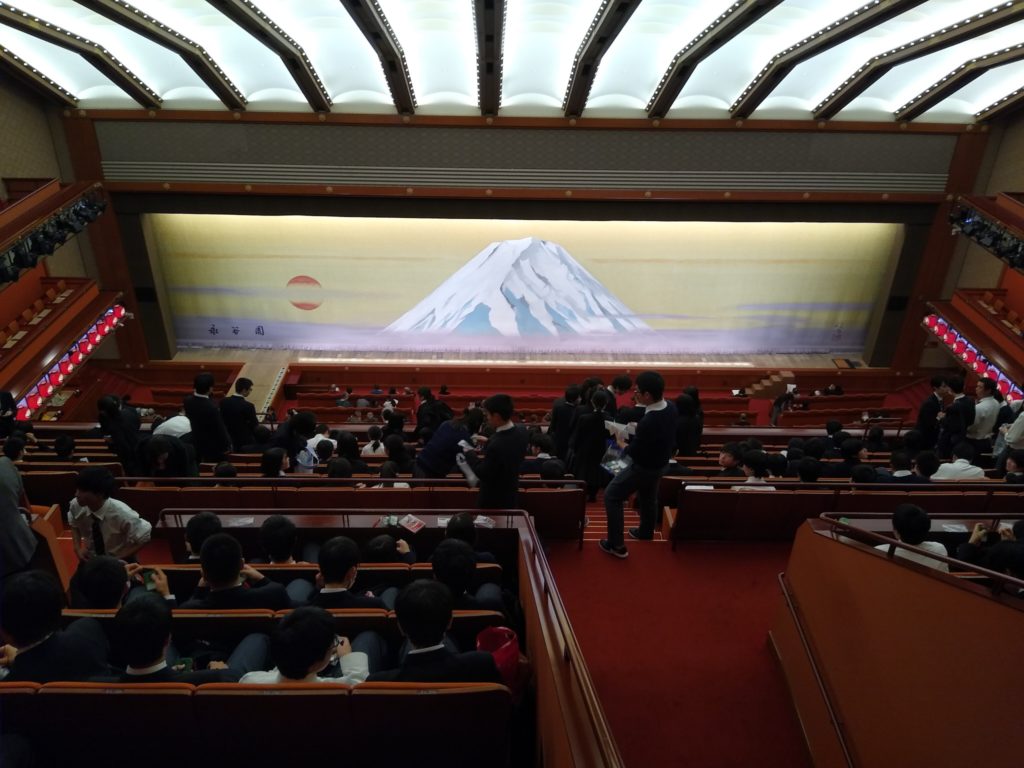
From the subway station we step onto the famous Ginza and up to the old theater. We wait in line to buy our tickets, just for one act. Our attention spans are far too short for five hours of theater. Nearly a hundred of us filed into the doors and up the elevator, onto the fourth-floor mezzanine of the theater.

A curtain hangs below. It depicts Mount Fuji—the Rising Sun in the background. The play begins; the curtain is drawn. The actors below dance and portray an ancient story from the olden-time, the time of the Samurai. Their movements are lavishly exaggerated. And the milky-white face paint can be seen easily from my seat in the balcony. Drums beat. Three-stringed tones of the shamisen call. The audience shouts strange encouragements to their entertainers on the stage.

Yet not too far away, on the busy street below, taxis take businessmen to airports. Women walk into Louis Vuitton Stores. And sitters in booths try to convince passersby to change their cell phone plan.

Seamless and new.

Timeless and old.

This is Tokyo.


anthony forrest

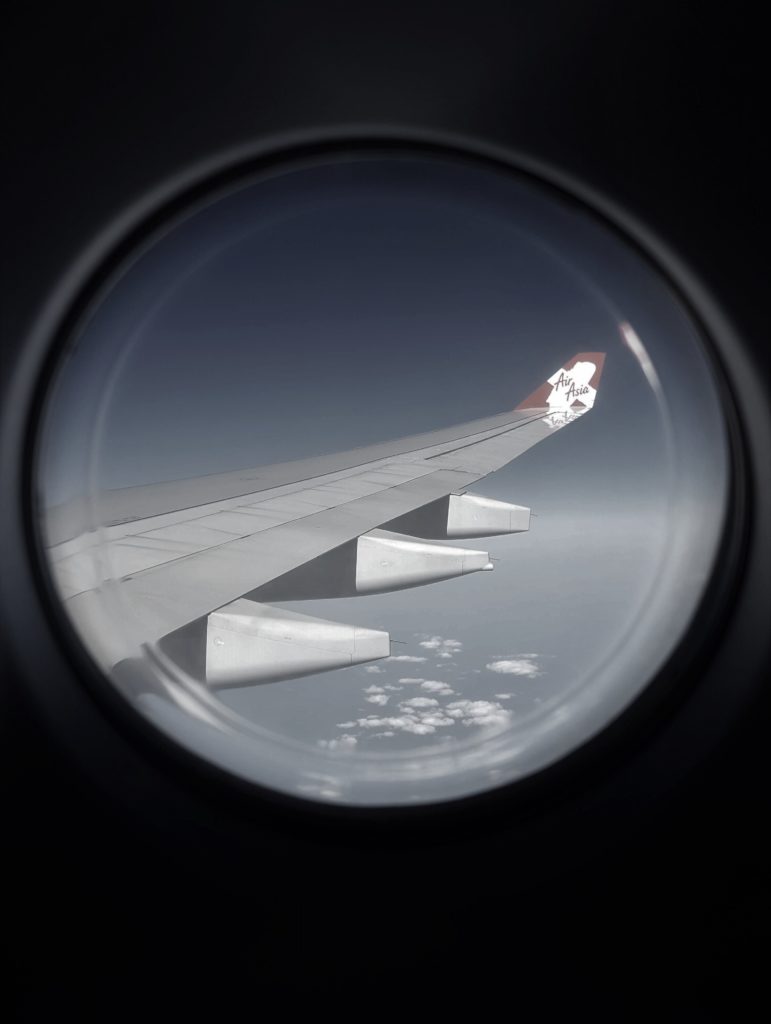
Night Traveler

Night after night I turn to my left

And raise my eyes

To the skies

Through the window

I raise my sight

And search this night

For the skyward evening traveler

And each night

He is there

Like a dare

Never to cease

And never seeking release

From his nightly travels

Horizon to horizon

He makes his trip

Being eaten bit by bit

Till gone

Only to be resurrected again

And take his place above men


anthony forrest

Americana Series, Part 5: America the Thankful

Travel Journal, 87

Several years ago, the college I was attending required that I spend 10 days in Boston for further education. After the long days of vigorous training, my wife flew out and tacked on a week-long, much-needed vacation.

Our goal?

See New England and especially the historical bits.

And what better place to start than Plymouth, Massachusetts? We found a nice little hotel nestled along the coast and began our journey through time. Though we absolutely adore places like Boston, the Cape, and all of Maine, the highlight of our trip had to be our time in historic Plymouth.

In my quest to find the goodness of America, should I not go back to the beginning? One of the most interesting and inspiring American pilgrimages that any American can take is the journey to Plymouth Plantation. In 1620, our ancestors which we now call pilgrims made their long voyage from the Old World to the New. Relics of that time still exist in a few locales.

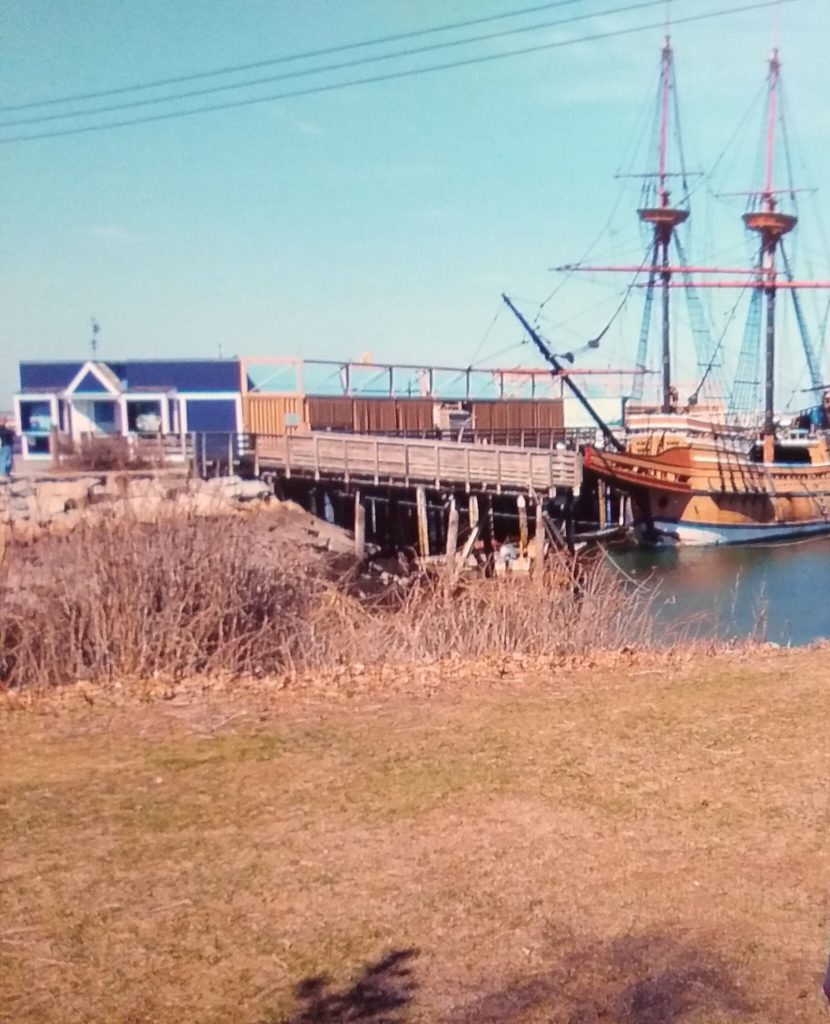
We gazed down at the legendary Plymouth Rock, on which the pilgrims were thought to have first stepped. A recreation the Mayflower floats in the harbor. Pay the right price and you too can experience the wide, open ocean. Bust most of all, the original colony location, discovered long ago, is now the home of a unique “living history” museum. The colony buildings, fences, yards, and various structures have been rebuilt in near-perfect accuracy. Museum professionals and historians, as well as college students, dress up in period clothing and perform day-to-day living right in front of your eyes.

The story of the first Thanksgiving is beauty, tragedy, truth, and legend—all rolled into one amalgamation which we now celebrate each year. Records and writings of people like William Bradford, Governor of the colony, tell of setting aside several days of feasting to give thanks to God. On one such time of feasting, a group of Wampanoag natives showed up unannounced and spent a week sealing a treaty of peace between the two groups. Although, that peace would not last, it was certainly a time to be thankful. It is generally known that the Native Americans taught the pilgrims many life-saving skills. The colonists had been through terrible loss, burying nearly half of their own in the prior winter. And yet, they found a way to be thankful.

A rising tide of history denying, rewriting, and condemning has begun to rear its ugly head. Some groups of people don’t want to be associated with the ugly bits of American history. I certainly can’t condone bad behavior. But what has occurred in the past is done.

The history of our ancestors is not perfect. Slavery happened. Killing of Native people occurred. Death was everywhere. But to dig out the foundation is to rebuild upon the mud.

With all of the focus on the ugly history of America, it can be easy to forget that there was indeed a group of people who fled to this land seeking freedom. It’s easy to forget that they suffered beyond modern understanding. Their thanksgiving was not just a simple one-day meal and maybe some shopping later.

Their Thanksgiving was part of their life. They did not just decide to start giving thanks. They had to live it often. Because without gratitude, their living would seem hopeless and all the loss meaningless.

So now as modern-day Americans, we meet together to give thanks. And though a few other countries celebrate a day of thanksgiving, none compares to Thanksgiving in America. For we are a nation built on struggles and pain.

And yet we give thanks.

In this way, America is good.


anthony forrest

Keep up with the rest of the series:

Part 1: America the Good

Part 2: America the Broken

Part 3: America the Healing

Part 4: America the Classic

Americana Series, Part 4: America the Classic

Travel Journal, 86

Gems of a simpler time still exist.

Our rental car careened down the narrow North Carolina roads. We flew into Charlotte to get to our destination. We were in search of a simpler time, a simpler place.

We happen to really love North Carolina. On one side sits the Atlantic Ocean and promises of warm beaches and weekend getaways. But the direction we drove took us to the hilly and rugged lands of Appalachia. Most states in the US make the same claim: that theirs is the most varied or diverse. And if anybody from North Carolina says that, they would be right. Mountains, ocean, warm weather, and cool weather; what’s not to love?

The summer sun shone down through the Loblolly pines. We looked at the instructions listed on the Airbnb notes.

“I think this is it,” I said, though my voice betrayed my doubts.

The notes said to follow this winding road to some road marker, then turn right under the flags hanging in the trees.

I looked up and saw that the only thing hanging in the trees was a filthy, old, and torn t-shirt. Hesitantly, I turned the small SUV into the presumed driveway. The notes had also warned us to bring a vehicle with 4-wheel drive.

My wife turned to me some weeks before this and said, with a brightness in her eyes, that she wanted to stay in a cabin in the middle of the woods. And I, like the dutiful husband I am, obliged.

The dense forest opened to a small clearing. In that clearing sat an ancient cabin. Over 100 years old, the cabin had been moved here, electricity and water added, and promptly placed online for rental.

We felt like settlers.

With water.

And electricity.

And internet.

Our car unloaded, we set off for town.

And to the great delight of my wife, a classic americana experience lay in wait.

Nearby sits the small town of Mount Airy. Close to that is Pilot Mountain. To anybody familiar with classic television, these names might sound familiar.

Andy Griffith grew up in Mount Airy. And his namesake TV show is actually based on his life in that place. We parked our car and walked the streets. Little shops resemble the actual show of the fifties. A small museum contains a fine collection of Mayberry paraphernalia. And down the road, summer tourists can visit an exact replica of Andy and Barney’s sheriff’s office.

We opened the door and immediately, my wife sat behind Andy’s desk and pretended to answer the phone. I locked myself into the cell where Otis often locked himself after a night of drinking. Later, we took a ride in one of the Ford Galaxie replicas of Andy’s police car.

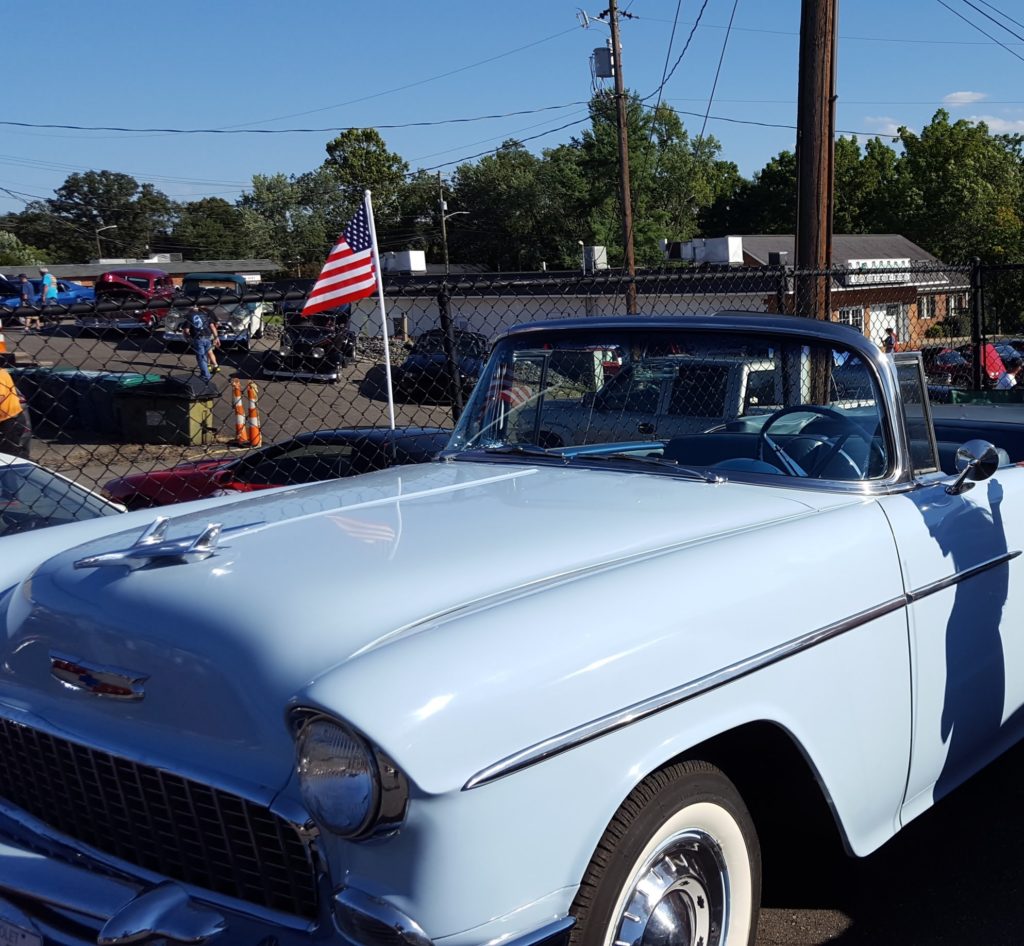
Not far from Mount Airy is Pilot Mountain, another picturesque town. As chance would have, a classic car show had just started that day. What could be more classically American than a classic car show?

“Look,” said my wife, “a Chevy Belair!”

“Hey, another one!”

We took a picture near around 20 Chevy Belair cars that day.

The unmistakable flavor of America’s glory days perseveres and will do so as our nation ages. I believe that it is human nature to hold onto a seemingly simpler past. It reminds us of who we were, who we are, and where we are going. And it is an especially American thing to remember the glories of our days gone by.

In this way, America is good.


anthony forrest


Keep up with the rest of the series:

Part 1: America the Good

Part 2: America the Broken

Part 3: America the Healing

the wait

oh, the joys of the unknown

fear of not knowing

a growing concern

a stern

feeling of a loss not yet lost

like tearing a letter

open

and then, “what’s this?”

the opposite of the wish

junk mail—rubbish

and yet

the heart palpitates

anticipates

still the same

and goes on


anthony forrest 

Americana Series, Part 3: America the Healing

Travel Journal, 85

My wife and I drove our rental car past a Church sign in Delaware.

Canaan Baptist Church

It was Saturday and our flight was scheduled for tomorrow, Sunday afternoon.

“Do you think we have time to go to church?” she asked.

“Oh, probably.” I replied.

She pulled out her cell phone and began searching for the church service times and more information.

“Well,” she said, “we’ll have plenty of time to go.”

“Oh good, we might as well.”

“But,” she said smirking, “we might stand out a little bit.”

She began showing me pictures of the church’s worship service. The pictures showed a happy (and huge) congregation of Christians singing, serving, and worshiping.

And there was not a white Christian in sight.

But Church is Church, regardless of skin color. But we decided that what would stand out more than our skin color was our wardrobe. Our t-shirts and jeans just wouldn’t do. This church was more of a suit with cufflinks and dresses with white gloves kind of place.

Like a sign from God himself, we drove at that very moment past a Salvation Army Thrift store. We found a dress for her and a suit for me. All for the balmy price of $28.

The next day, we pulled into the parking lot of Canaan Baptist Church. Right away, we knew we were in trouble, but not for any skin-color reason. My Salvation Army suit didn’t seem to make the cut. Everybody was dressed to the nines. Fine pin stripes, cufflinks, Rolex watches, silk everything, diamond rings, designer dresses, white gloves; we were woefully underdressed. But it really didn’t matter.

When the doors opened there was no hesitation. Fine folks immediately welcomed us with smiling faces and strong handshakes. The building was packed. We were greeted by no less than a dozen people on our way to our seats.

The usher pushed and shouldered through the God-fearing crowd, to find us wayward guests a couple of seats. I gazed at the pew to which the kind usher had appointed us.

Third row in the front.

Smack in the middle.

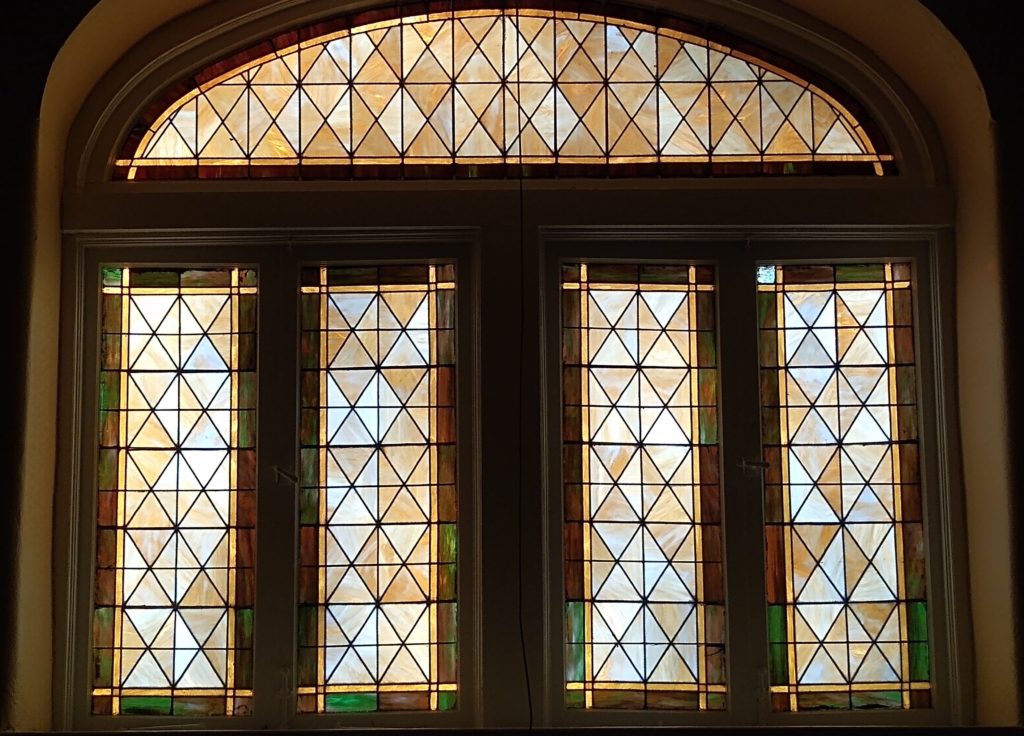
As we sat down, the sun shone in through the nearby stained-glass window and landed on us like a spotlight. I began feeling even more out of place.

But soon the service started with a rumble. All of my self-centered thoughts floated away. The choir stood up, adorned with glorious hats. The organ warbled. A jazzy bass player thumped out his notes. And the tisk tisk of the snare drum rounded it out. At that moment, it didn’t matter who we were; we all clapped and sang. They pumped out song after song, one after another with no pause or transition. The choir was unstoppable—swaying back and forth, praising God above. The organist bounced up and down on her bench. The only guy in the place without a suit jacket and tie was the bassist, and he needed all the ventilation he could get. The entire pastoral staff and church leadership clapped and sang on the platform. Then, as the last song started to wind down, the pastor shimmied over to the podium and helped the choir finish the song.

He gripped the pulpit with white knuckles and the preaching started. He opened the Bible and read several verses, “amen” being cried from the other church leaders, seated behind him. He made his points with power and inflection. The entire auditorium of congregants were involved in the worship of God. Each spoke their, “amen!” and “that’s right!” and “come on!” and “bring it, pastor!” By the time the message was over, we were unified in our worship and involvement in the service.

I had never been so close to a group of people so different than myself. And it was a beautiful thing—a perfect and life-altering moment shared with another culture.

What can be said of America’s racial tension that has not already been said? In my quest to remember America’s goodness, I think about the variety of people in this nation. With so many people groups and a seemingly endless spectrum of cultures, it really shouldn’t surprise us that there would be tension.

There has been much talk recently of systemic racism. And honestly, I am not in the position to speak at length about such an important topic. Does engrained and potent racism flow systemically through the bowels of our country, poisoning the very roots of who we are?

I have no idea. But I have seen racism. And I have seen hatred.

Tension is one thing. We can work with tension.

But racism? Appalling.

A hatred for any people group, is simply shameful. And we all know it when we see it.

So how do we fix this shameful behavior?

Spotting such ingrained behavior in my own life was tricky. But I really began noticing this pattern when I started traveling. It’s amazing how all the differences between such contrasting peoples simply melt away when we sit down for a meal in their home.

May I recommend boundary-widening experiences? May I beg of you one thing?

Travel—not to places and selfie-locations. But travel to people. Find them living their beautiful and different lives.

I have heard some say that they don’t, “see color.” But I do. God created us different. And those differences make us beautiful. Those differences are actually what bind us together.  

I believe it was Michelle Obama who said that, “it is hard to hate up close.”

In a world separated by cell phones and anonymity through the internet, what could be more foreign than experiencing another’s culture up close and personal?

And when we do reach out our hands grasping for those new cultures, the people beyond that boundary generally welcome us with open embraces. We fought the Civil War. Dr King cried out for Freedom. And we came out of the other side cleansed with fire. So when we walked into that welcoming church is Delaware, America the Healing took over. And the two drastically differing peoples were able to stand side-by-side, united by a hard past, a bright future, and the desire to worship the same God. Racism cannot exist in an environment of loving closeness.

So we fight for it—every day.

In this way, America is good.


anthony forrest

Keep up with the rest of the series:

Part 1: America the Good

Part 2:America the Broken

Americana Series, Part 2: America the Broken

Travel Journal, 84

The first time I went to Anniston Alabama opened my eyes to the South. My hotel sat in a bad part of the town that appeared to be all bad parts. I was there for a conference and wanted to get out and see what Anniston was all about.

I think my first mistake was walking into the nearest Walmart to buy some snacks. My eyes saw things I will never unsee. This place looked like the streets of Fallujah (Of course, I have never been to Iraq, but I do hope it looks better than the Walmart in Anniston.) Appalled by my, by far, worst Walmart experience ever, I left without purchasing anything.

Then as I walked down the street, I ducked into a gas station to try again for snacks. I grabbed a few things and stepped up to the counter. Facing me stood a young man, probably in his early twenties. However, he had already begun to lose his teeth at a rapid rate. His black, stringy hair hung down to his waist. And then, of course, he wore a black tank top emblazoned with the stars and bars of the Confederate flag.

“Ha-y’all doin’?” he drawled.

I dropped my few items onto the counter and asked, rhetorically, “Not a whole lot going on in Anniston, is there?” I winced at my own sarcastic tone.

“Anniston?” he exclaimed.

And without a beat said, “Ain’ nothin’ goin-on here but moonshine, illegitimate chid-ren, and drugs.”

Unfortunately, I walked away from Alabama with an unfair view of the place. But my second trip turned my compass to a truer north.

We walked into a Baptist church in the aforementioned town, a couple of years after my first experience. I spoke with many churchgoers that day. And each expressed the same thing. They all knew where they lived. They knew what it was like to live in Anniston. They knew that their town had problems. But there they stood—faithful to their community.

We finished the service and were informed that there was to be a potluck meal. As we broke bread with these people, the classic southern hospitality burned easily through my original impression of Anniston, Alabama. Each of these people had other people in their lives who struggled with something. And who knows? One of those struggles may indeed be moonshine, illegitimate children, or drugs.

America, more so than others, I think, shines as the land of opportunity. But we’ve for years thought that opportunity to be one of economic gains. Perhaps this Country grants us a better opportunity than simple jobs or money. We have here the opportunity to fail, then rise with fresh perspective and experience.

Towns full of broken families and many other problems dot America. But America is the land of grace for the fallen and second (third or fourth?) chances.

We are America, the broken. But broken bones heal stronger. We are a land of the broken families. But at the end of the day, we are still family—failures and all. We’ve fallen time and again, and always risen.

In this way, America is good.


anthony forrest 

Keep up with the rest of the series:

Americana Series, Part 1: America the Good

Bountiful Change

Though the sky should darken

on a sudden,

and the air grow sharp and chill.

The trees yield not their bounty.

Look! From the sky begins to spill

a new kind of bounty.

Though this time feels out of time,

and unexpected changes flow.

It’s through God’s crafted surprises

that He causes me to grow

and shift into the better shape of Christ.


anthony forrest

« Older posts Newer posts »

© 2025 Travel and Verse

Theme by Anders NorenUp ↑