Travel and Verse

stories of travel, medical missions, and more

Page 22 of 26

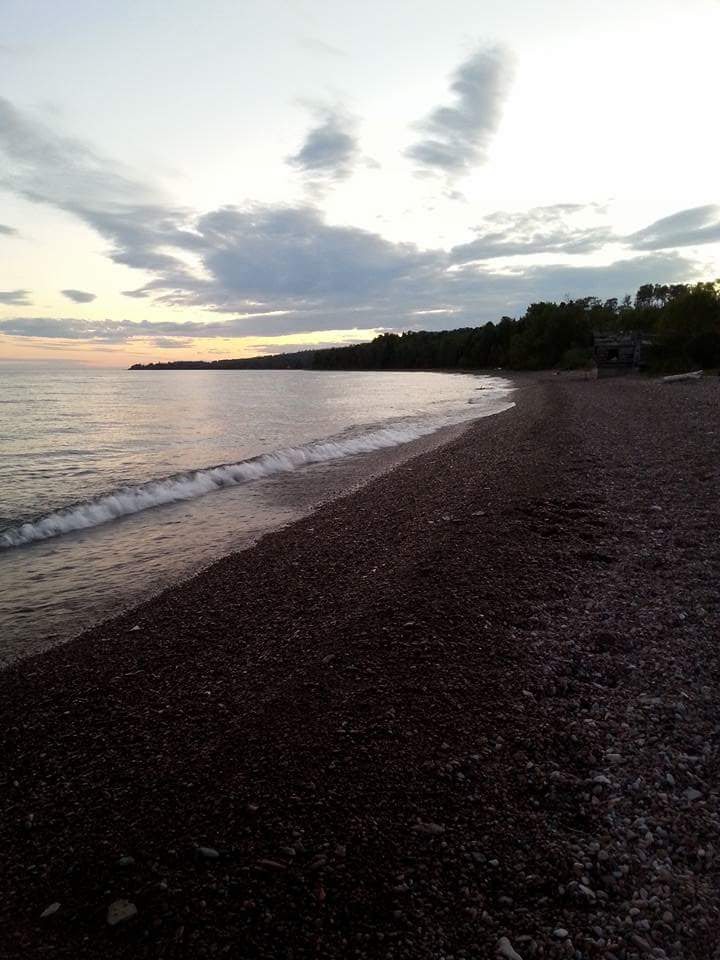
Superior and Bold

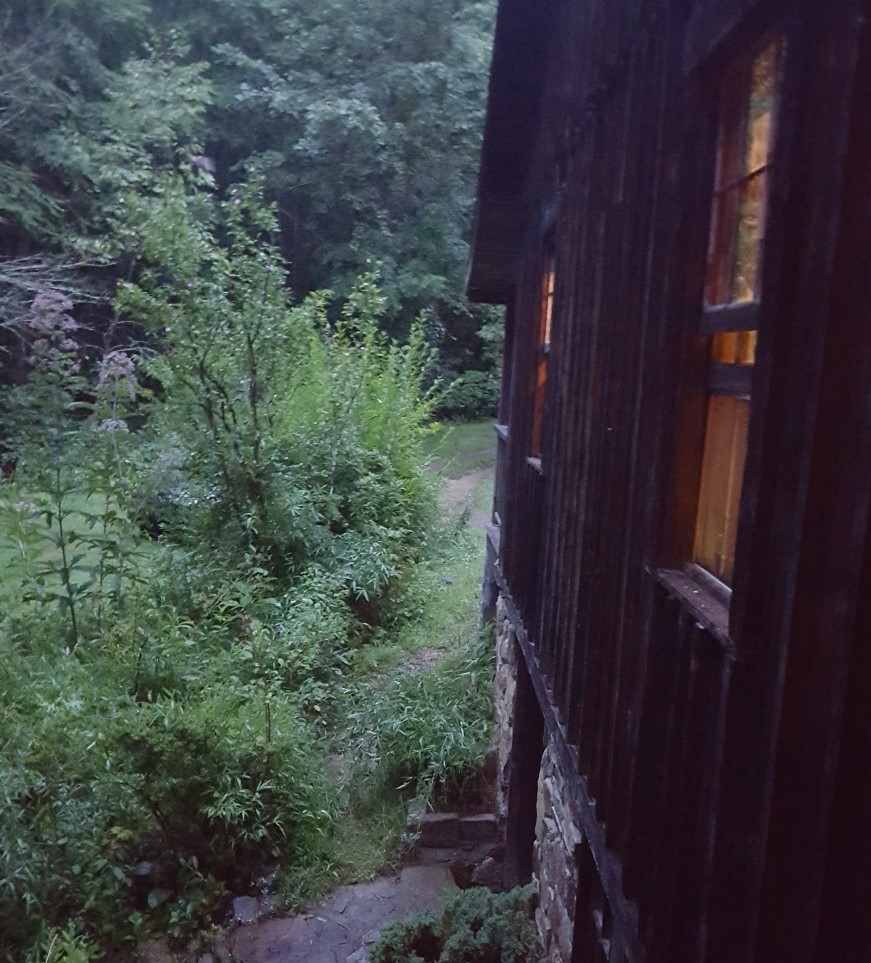
The coursing river of foot-traveled trail

flows northward through valley and vale.

Boulders and stones and their smaller pebble-friends

live here among the grasses and the ferns and the fens.

Bulky stones, and flat ones too, jut upward from far beneath.

Slyly they talk and plan ways to catch or trip feet.

Friends they have (of the Cedar sort) with sweet-smelling trunks;

reaching into, then back from, underground; weaving a wooden root-maze, partially sunk.

At times wet and muddy and at times not at all;

the trail has no preference, whether Spring or Fall.

Welcome to this place. Come, walk, run, and play.

But it’s more than a winding wooded road. It’s a Temple in which to pray.

Blue blaze on tree and stone guides pilgrims, young and old,

on a trail headed further north—Superior and bold.


anthony forrest


Travel Journal, 24

Night Dive, chapter 2

Underwater navigation is fairly straightforward. At least, it’s usually straightforward. Our goal for this night-dive was to descend along the anchor line and dive along a wall in one direction. When our tank pressure read the agreed upon psi, we would simply turn around and go back to the anchor line leading to the boat. The boat light suspended right above the water would also assist us in finding our way back.

But we ran into an unexpected current. We decided to end the dive early. The strong current fought us the entire way. So, as we turned around to head back, the same current we had been swimming against tossed us around like underwater windsocks. The flashlights in our hands flicked back and forth announcing our distress to nobody. We straightened up and got our bearings only to discover that we were moving at an incredible rate. Who knew how fast we were going, and how far? I caught my dad’s eye and made the “something’s wrong” hand motion. He agreed. And through further dive signs, we decided to surface. The good news was that the boat light from the Truth was right over head.

Perfect. It was looking like our navigation wasn’t wrong after all.

Each dive should be ended with a “safety stop.” When the diver surfaces, he or she stops the ascent at 15 feet and waits for a few minutes. It’s an extra measure of caution. And as we hovered at 15 feet, something seemed off. The boat light overhead shinned much brighter that I remember. And when my head cleared the black surface into the above-water night, I realized that the boat light was nowhere to be found.

I had seen a blazing full moon the whole time. My heart dropped into my fins. As my dad surfaced, both realized what had happened. The current had dragged out passed the Truth and we missed the anchor line. We looked around wildly for the boat and saw it far in the distance, more than a football field away. And with each passing moment, the current pulled us farther and farther out, into the open ocean.

Our only hope was a drift line that the boat crew threw out after they had apparently realized that there was an unexpected current. At the end of the line was a buoy, but it was still some distance from us.

We did the only thing we could do, swim.

And swim some more.

We finally reached the buoy, and had begun pulling our way back to the Truth. But it was taking forever. We would wear out long before we’d make it back. With my light, I signaled the boat crew that we were in distress. And they were ready. In fact, the crew had a zodiac boat in the water. We were not the only divers having trouble. Several minutes later, our relief arrived.

Back at the Truth, we offloaded our BCs and heaved them onto the deck. Flopping ourselves back onto the boat, we simply groaned. What was supposed to be a fun, adventurous, exciting, and new experience, turned out to be all of those things—with the exception of fun.

But adventure ofttimes comes at a cost. And it’s often only fun when you look back on it. A friend of mine calls that “type 2 fun.” And that night-dive certainly qualifies.

My dad and I sat, still in our wetsuits, dripping onto the deck.

I turned to my dad and said in an only semi-sarcastic tone, “well, it’s no fun unless somebody almost dies.” 


anthony forrest
Dawn

Twilight Breaks within the sky

Its colors ever glowing

Sunrise of this day draws nigh

The morning dew now showing


It pushes back the morning star

Returning to his home

But wishes that he’d not go far

Wanting ne’r to be alone


Twilight breaks and colors change

Cutting through the trees

Passion and beauty rearrange

Once more the soul to seize


A focused part of this timeless morn

Even though the day must start

Closer brings the sun, the light reborn

Yet the Dawn forever keeps my heart.


 anthony forrest

Travel Journal, 23

Night Dive, chapter 1

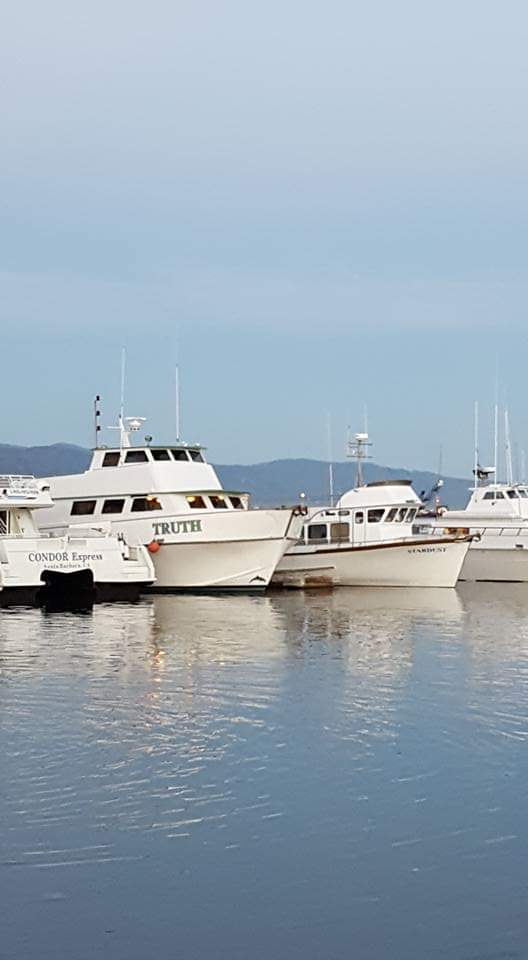
Just off the coast of California lies the Channel Islands. The most popular island in the Californian chain is Catalina. My dad and I had boarded a dive boat, the Truth, the night before. One of the most interesting ways my dad and I can spend time together is through scuba diving. Though I have only been diving for a few years, he has been certified for over 30 years. We were in the middle of our three-day dive trip and things were going swimmingly (forgive the pun). 

After a fantastic steak dinner with all the fixings, a night dive opportunity was announced. Our captain had anchored us against a sheer rock wall that led to a point, then eventually, to open ocean. The sun dipped beneath the horizon, revealing Van Gogh colors on a twilight canvas. But soon, those colors were gone and the night came, accompanied by a raging full moon. On the deck, we hung our buoyancy compensators (BC) on fresh tanks and connected regulators. After testing our equipment, we each tied a glow stick to our gear. I had never done a night dive. My dad had the experience, but it had been over 25 years. Wetsuits on, gear applied, masks over face, we put on our fins, flashlights in hand. One after another, divers waddled to the side of the boat. At my turn, I stood on the edge of the boat and looked down into the opaque water. At night, the ocean does not look like the ocean. It looks like a liquid surface to another world. The surface of the water looks like it could, in fact, be solid; moving, but solid. I held my fingers to the face of my mask and pressed my palm against the regulator in my mouth. With one big step into the nothingness, I fell, gracefully, I might add, deep into the water. Everything disappeared, with the exception of the beam of light protruding from the flashlight in my right hand. I pressed the button on my vest to inflate my BC, and slowly floated to the surface. 

Soon, my dad was in the water as well. Our plan was simple. We would follow the anchor line to the ocean floor, which was about 65 feet below the surface. When we got there, we could look for lobsters, explore, or do whatever we wanted. But we must not get separated. We agreed on this plan at the surface, then began our descent. We followed the 30-degree sloping line to the bottom of the ocean. By this time, I realized that I could see a light. This was a comfort to me. The dive crew on the Truth had told us that a flood light would be hung just above the surface to assist our underwater navigation. Some divers love night diving. They swear that it is simultaneously the most peaceful and the most exciting time to dive. Ocean life that you don’t normally see, comes out for the night life. 

At depth, we began to swim along the wall, seeking out lobsters to fill our game bags. But there were no lobsters. And we both knew why. As soon as we got to the ocean floor at 65 feet, we realized that a massive current was making swimming very difficult. We struggled and kicked against the current for several minutes. I was struggling to maintain heading and control. No lobster in his spiny little mind would be out in this. I turned to my dad and we both seemed to understand what the other was thinking, “we are in over our heads.” I made the motion to turn around and head back. But as we did so, the current pushed us hard in the other direction. Flashlight beams bounced off of rocks and kelp got tangled in our tanks. Any grace we had at the beginning of the dive was now gone. 

We were in for a wild ride. 

anthony forrest

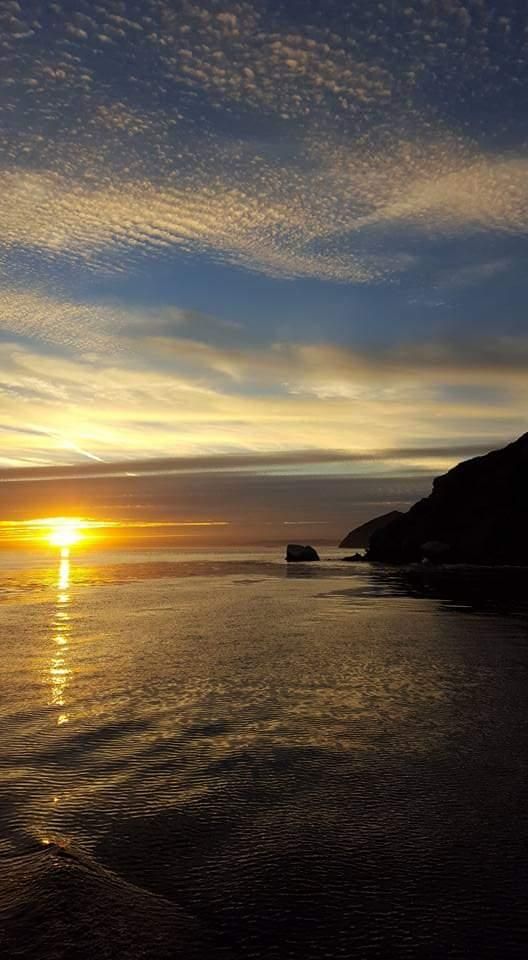
Painted Fire

Upon the water

Painted fire

From morning skies above


Dance without care

Or fear of shame

For its liquid burning love


White caps toss

Painted fire

There! Now to now fro


Gleaming sheets

Of sun-cast seas

This I love the most


anthony forrest

Travel Journal, 22

Old and Older

Historical buildings and architecture fascinate me. Tall spires donned by looming cathedrals, crumbling Greek ruins, precariously leaning towers, and uneven cobbled stone roads lure me into the world. No matter where you go, most people and most cultures respect the old places. Whether you go to Israel or Boston, the oldest locations demand respect and fascination.

Jerusalem, 2015

We stepped through the ancient doorway and peered out into the Old City. When reading ancient texts, many authors, when talking about going to Jerusalem, say that they “go up” to the city. Even if a traveler is going south, they say they’re “going up.” The reason? The Old City of Jerusalem is on a hill. We looked down from the top of that hill. All around us lay the ruins of a palace. The most famous King of Israel was the King David, son of Jesse of Bethlehem; he lived sometime around 1000 BCE. This was his house. English translations on placards spoke of ancient times and doings. We wandered dumbfoundedly and tried to comprehend its age and meaning. From here, the king could see everything; the city, the wall, the gates, and even the majestic Holy Temple which stood nearby. The respect that hung in the air was hotter than the Israeli sun. And it’s no surprise. This was the place of kings and honor.

Boston, 2014

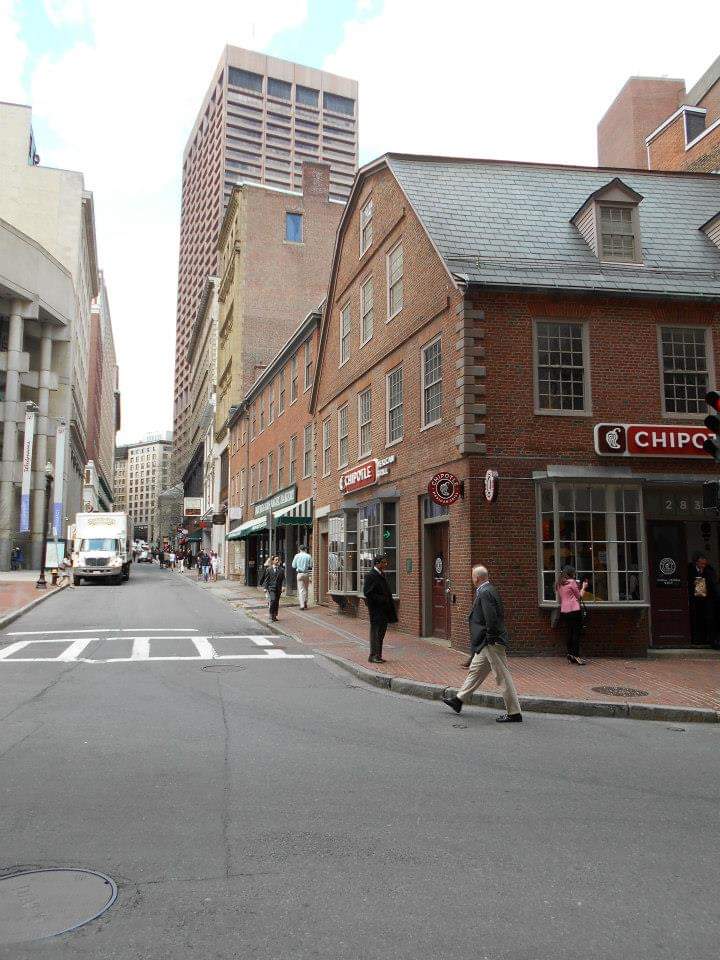
A year earlier, we were eating cannoli and gazing up at what may just be the most important bookstore in American history; at least it was. In the early 19th century, the Old Corner Bookstore began selling books and magazines. And throughout its active literary history, the Bookstore published authors such as Nathaniel Hawthorn, Ralph Waldo Emerson, and the quintessential American poet himself, Henry Wadsworth Longfellow. The classic post-colonial building looks like a brick barn. Its windows jut out onto the sidewalk, beckoning window-shoppers to peek within. You’d expect to see gas lanterns hanging nearby. But alas, no, a Chipotle restaurant sign clings to the façade. The whole thing looks fake—like somebody on a committee accidently approved a zoning permit, then completely forgot about it. One of the most important literary sites in the United States of America now sells burritos instead of books. What once fed minds and hearts and souls, now feeds the people what the really want. At least, that’s what it may seem like on first glance.

Part of us

To say that western culture, and specifically American culture, lacks respect for important landmarks and heritage is unfair and simply not true. Downtown Boston is full of historical landmarks, heritage sites, and museums. The owners of the building could have bulldozed it for more space. But they didn’t. It has been preserved and hundreds of people visit it daily. How else would I have known the history of the building without a nearby plaque?

Western and American culture reinvents, reuses, and integrates historical remnants into our everyday lives. In Boston, it’s difficult to know where the old ends and the new begins.

Our history is quite literally part of us.

But just to be safe, don’t make us choose between burritos and books.

anthony forrest

A Study on Psalm 138

With all of my heart and pieces of being

I cry praise before an angel mob.

Your unending truth and relentless love

buckle my legs beneath the weight

of Your Name.


One day all will fall as I have fallen

and exalt all of His ways.

They will fall and lift heart

to the One on high, and forever

give Him praise!


Though on high is He and King of creation,

he bends to heal the heart of a peasant.

From a distance my God knows

the prideful heart,

cold,

full of resentment.


How fearful the road and full of danger,

anger

from those who mock the King.

Yet His purpose will pass by His always love,

and a firm grasp of the right hand of rescuing.


anthony forrest

Travel Journal, 21

Not Cheap

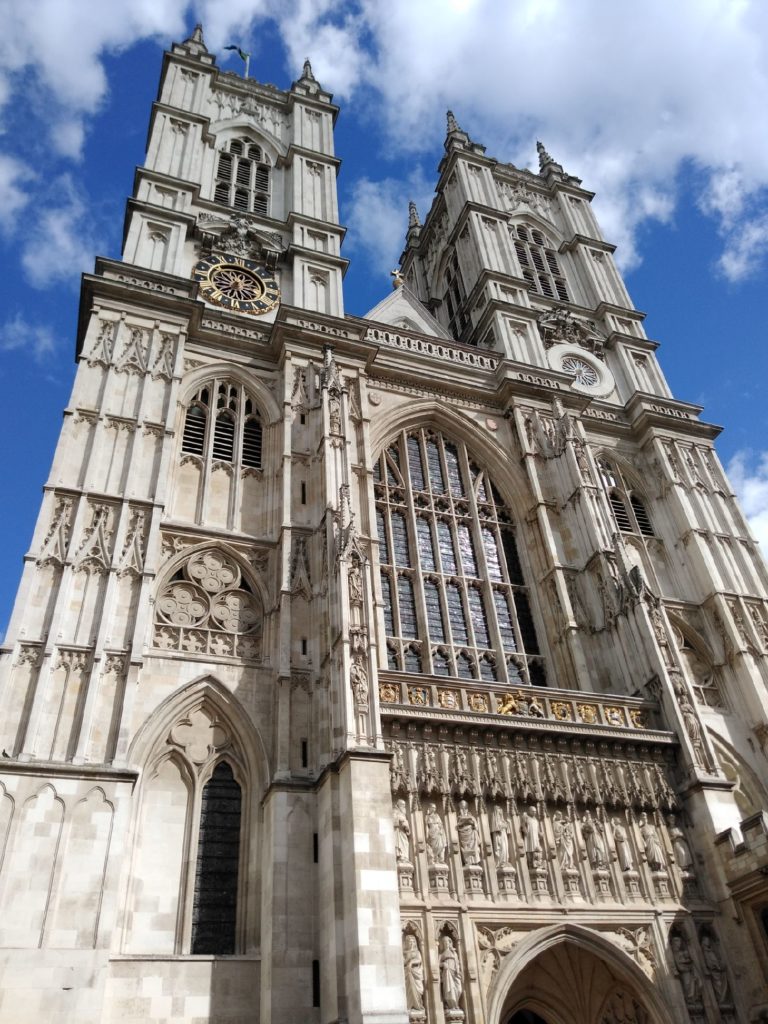
A dull throbbing cut through my worn-out running shoes and seeped into the pads of my feet. The ancient stone floor wasn’t helping. Jet lagged and bedraggled, there we stood—occasionally. After short intervals of standing, a hallow voice asked us to be seated. And so the pattern continued. Stand, sit, stand, sit.

Every once and a while I smelled smoke and wax. Burning candles glowed on tables and shelves and stone and glass. But the aroma implied so much more than just a burning candle. It hinted at old candles, new candles, forgotten candles. It was the aroma of candles continuously burning—maybe for centuries. Out of the smoke and silence rose a voice; many voices. Soon the Choir of Westminster Abbey all sang together. They had started so quietly that I hardly knew when they had begun. Perhaps the choir had always been singing. Was I not listening?

My feet still hurt. But the intoxicating cold stone, smoke, and music gently eased the ache. We had walked all over London—Piccadilly circus, Parliament, London Tower, new roads, old roads, iconic ally-ways, ect. The day culminated at the Westminster Abbey for evensong. Nearly every day, the old church hosts an evening worship service comprised of Biblical readings and ethereal choral music. The day began to close as we made our way to the church. As we waited in line, I turned to read a nearby sign.

“No Pictures. No Mobile Phones.”

I begrudgingly stuffed my eager phone (already 9 months pregnant with travel photos) back into my pocket. But as we shuffled quietly into the building, all desire to take pictures fell away. We found our spot in folding chairs on the old stone floor. Then it all began. And our tired bodies and minds vulnerably soaked up the experience like a dry rag.

After an hour, it was over and we shuffled back out toward the door. Nearby, a not-so-sneaky tourist held up a cellphone and snapped a photo. Out from behind him, a vicar began verbally berating the man for taking a photo.

Only an hour ago that was me. But now I was as appalled as the irritated Church leader. How could he take a picture after something like that? Did we not have the same experience?

Pictures have their place. And I am still trying to find all those places. But I long for the places where picture taking seems inappropriate. Places like Westminster Abbey tend to make cell phones feel cheap and indecent. I want to see those places. I want to experience places of awe and dignity where trivial things like pain and jet lag melt away.

A picture may say a thousand words, but it turns out that I don’t really care. The smell of smoke and wax burns my mind. The music haunts my nights. And an experience like that cannot be cheaply manufactured (or even recalled) by any technology.


anthony forrest

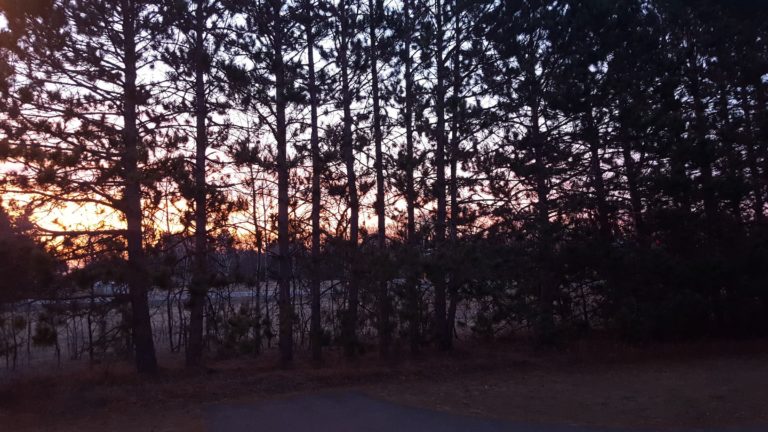
Rain, Cool and Mild

As he stood in his robe and gazed

Through the glass

His eyes yet blurry

And speech somewhat slurry

With hair still tussled a bit


Through the window he watched the rain

Gently falling

And dripping from pines

The White Pine’s tines

The Jack Pine and Blue Spruce too


An unassuming rain it was

With encouraging promptings

Of later sleeping

And quiet keeping

Of moving a little slower today


As birds searched for branches

And squirrels for cover

Deer nestled into briers

And raccoons retired

For today God gave them falling rain


So as he stood in his robe and gazed

Through the glass

Calmly he smiled

At the rain cool and mild

And returned himself to his bed


anthony forrest

Travel Journal, 20

Everything Important

All six of us piled into the Bolivian taxi. The back row sat three. But it’s not like they have seatbelts anyway. The driver threw all of our belongings into the back and slammed the door. Most taxis here are white and in pretty rough shape. But the little Toyota hatchbacks seem unfazed and resilient. Riding in those cars, rocketing down the dirt or semi-paved city roads at ramming speed and not falling apart at every pothole, still shocks me. Streets, whether marked or unmarked by signs, flew past us as we merely honked through intersections and dodged fellow thrill seekers. Every ear was tuned to a steady stream of inordinate honking and crazy-loud blarings of accordions and flutes and guitars pouring from the radio (only piece of working tech in the car).

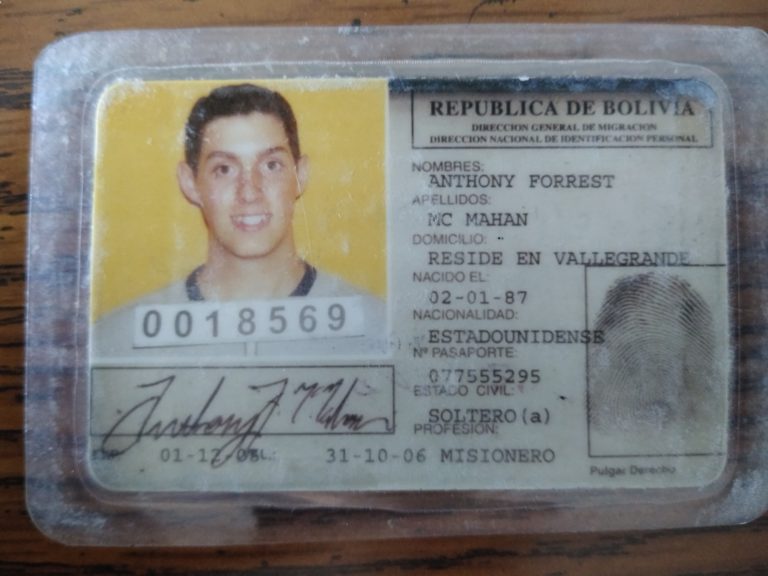
This was my 5th month living in Bolivia. And I love Bolivia. Vibrant and eclectic, Bolivian culture has no equal. Perhaps being locked in by five other south American countries has preserved its bold flavor. I can close my eyes and still see bright and colorful dresses. I hear flutes of many varieties. I smell the salteñas (a type of meat-filled pastry). And for some reason, the smell of burning propane reminds me of the propane mantle lanterns that gave off light. I was traveling and occasionally staying with, Devon and Jenny and their raft of boys (all of which behaved better than I, but that is a story for another time). We were in the city of Santa Cruz for a couple of days. The never-ending sea of paperwork demanded that we present ourselves in an official capacity. And after several hours of filling in forms and standing in lines, we were simply ready to get back to our rooms.

After arriving at our destination, we clambered out of the taxi, paid the driver, and watched him speed away in a cloud of dust. At that moment, Devon began spinning around like a dog chasing his tail.

“Where’s the backpack?” he choked.

All the color left his face as he realized that his backpack was behind the last seat, in the hatch.

“What was in it?” I asked.

“Our passports, our money, everything important!”

If you are reading this and wondering what could be the worst-case scenario for international travel, wonder no longer. The odds of the situation improving after you lose your passport and money are comically low.

But we knew a guy.

In fact, we knew the guy who was a driver of another taxi. And he knew the guy that ran the taxi dispatch. And the dispatcher knew all the taxi drivers. And they actually found our driver.

He returned the backpack, passports, money, and all.

And instead of going to the American Consulate, we just went home.


anthony forrest

« Older posts Newer posts »

© 2025 Travel and Verse

Theme by Anders NorenUp ↑