Travel and Verse

stories of travel, medical missions, and more

Page 19 of 26

Travel Journal, 39

Is There a Doctor on Board? -part 2-

Read part 1 here

I looked at the scene before me. The flight purser was rushing around in a panic. A pale woman lay at his feet. Two other flight attendants hovered over her. And literally everybody else on the flight slept as if nothing was abnormal. And to make matters worse, there was a distinct possibility that we were going to have to divert the aircraft to Madrid, Spain to get this ill passenger to definitive medical care.

However, the everyday passenger may not know that a flight of this capacity and distance is more equipped to handle such an emergency than one might expect. The crew carries oxygen, a full medical bag (complete with medications and intravenous supplies), and a cardiac monitor and defibrillator. In essence they are loaded for bear.

But there’s a catch: nobody has a clue what to do. Sure, they are all trained in basic first aid and CPR, but their job is to be flight attendants, not medical professionals.

I leaned over and assessed the woman on the floor. She was clammy and complained of chest pain. Her heart rate was irregular and she was nauseous. However, her blood pressure was normal. We connected the electrocardiogram machine (because why wouldn’t a flight from South Africa to England have one of those?) and discovered that she was clearly experiencing a common heart problem called atrial fibrillation. In the simplest of terms, the top part of her heart was not cooperating.

Just then I realized that the purser had been breathing into my ear. I turned and saw his sweaty bald head uncomfortably close to my face.

“Do you want to talk to the doctor?” he asked.

“There’s a doctor here?” I was confused. I thought I was the only one helping.

“No,” he said, “but we can call him.”

The purser pulled me aside to the first-class cabin to the front of the aircraft. There sat a small desk. He picked up a phone and dialed a number.

“Hello?” A fellow American answered the phone. At this point, I was very impressed with everything that was happening. I explained to the physician all that had transpired. He hummed and thought and then asked me, “well, do you think that they should land the aircraft in Spain.”

This was not a decision I was expecting to make. I was hoping my responsibilities on this flight were going to be limited to whether or not I should watch Dances with Wolves again.

I swallowed hard and squeaked, “no.”

“Okay, well, keep an eye on her and if anything changes, call me back.”

Click.

The line went dead.

The purser was glad to hear we would continue on to London. “It costs the company over £200,000 to divert. Not to mention a scheduling nightmare for everybody. If she’s going to be okay, it’s better to just continue on!”

As I went back to our makeshift clinic, the purser asked if he could get me a drink.

“Coffee would be great, thank you”

I was shocked when he fired up an espresso machine and produced a porcelain cappuccino cup and platter. This scenario was getting ethereal.

When we finally landed, NHS London Ambulance Service pulled alongside the aircraft. I spoke to the British paramedic and they transferred the patient onto their ambulance, unceremoniously.

The crew was all smiles as my wife and I gathered our things. They thanked us over and over. This could have gone differently. We could have been getting off the plane in Madrid. But London was a welcomed sight.

anthony forrest
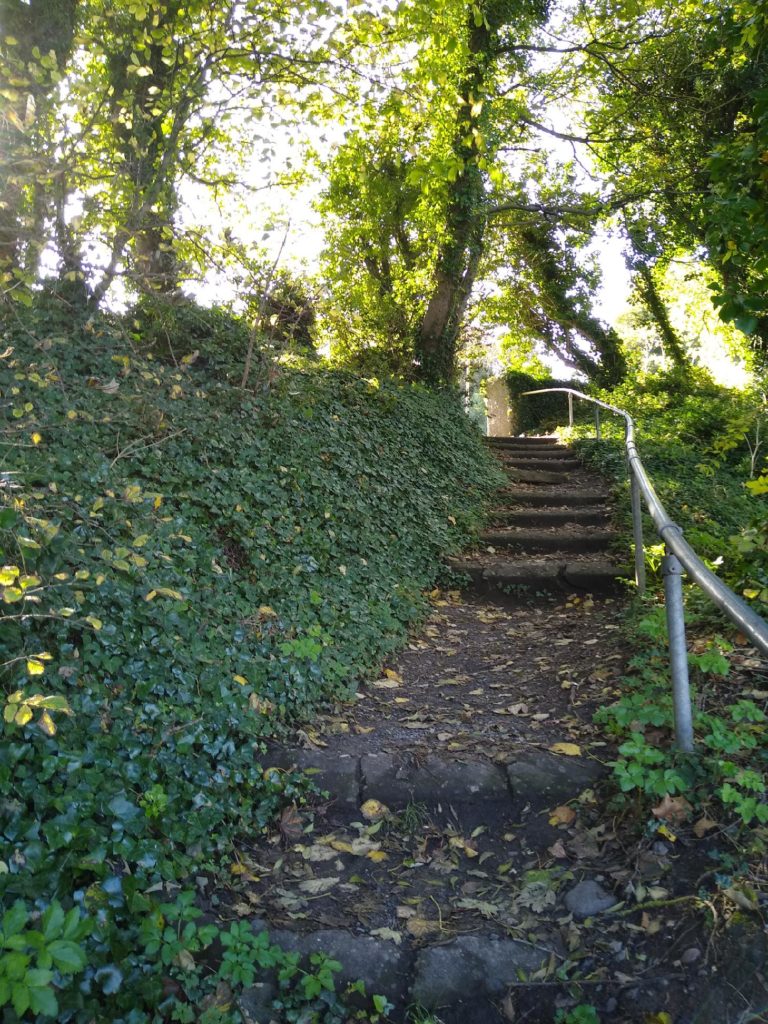
On Patrick’s St.

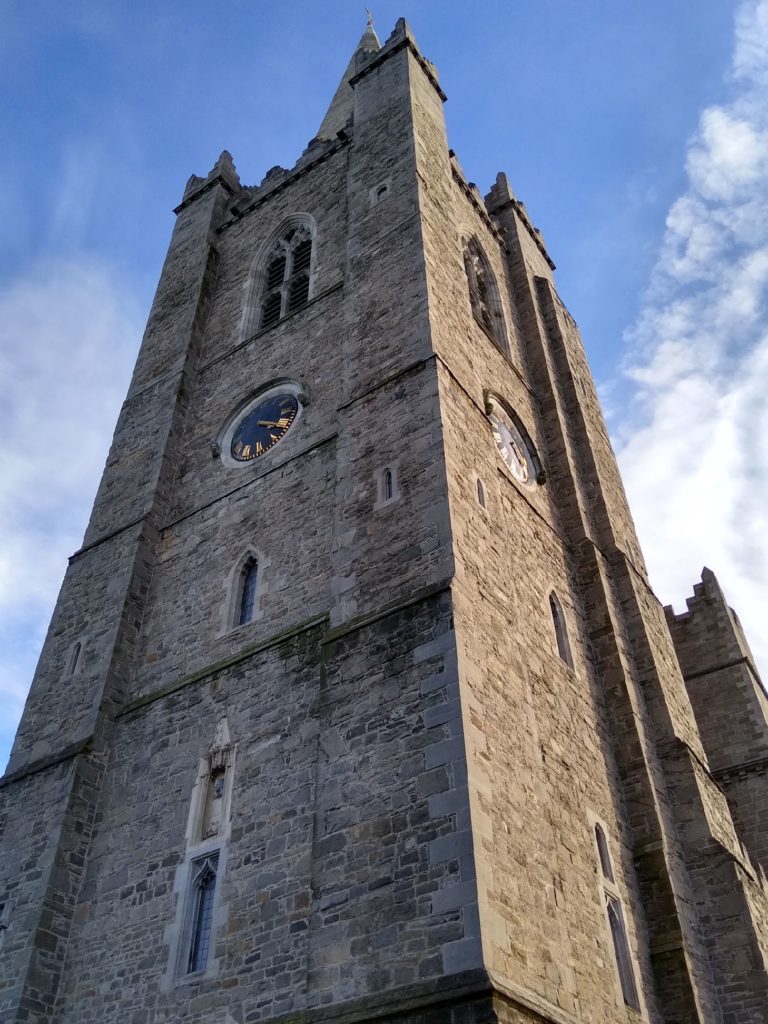
Ancient stones rise in solemn silence

A cavern of worship and song

It’s arching cool darkness

Sheds light enough

Illuminating hearts, broken and wrong

Grey stone pillars hoist high the glass

Of windows colored by olden-hand

Telling tales of Saints long dead

With curving, winding knots

Echoing truths of God and man


anthony forrest 

Travel Journal, 38

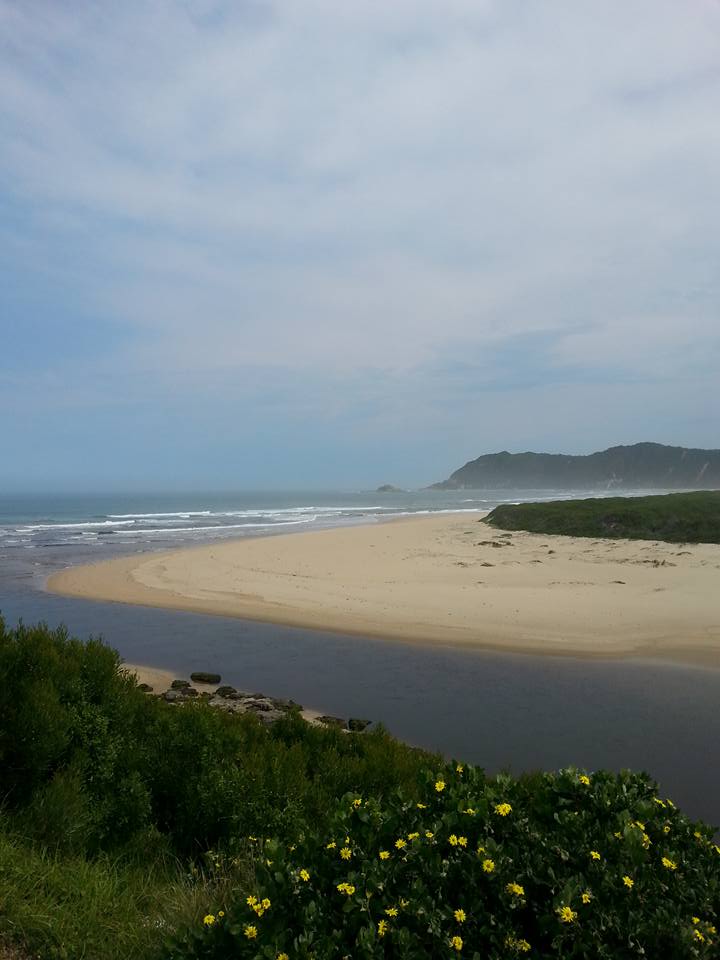
Sedgefield, on the western Cape of South Africa

Is There a Doctor on Board? -part 1-

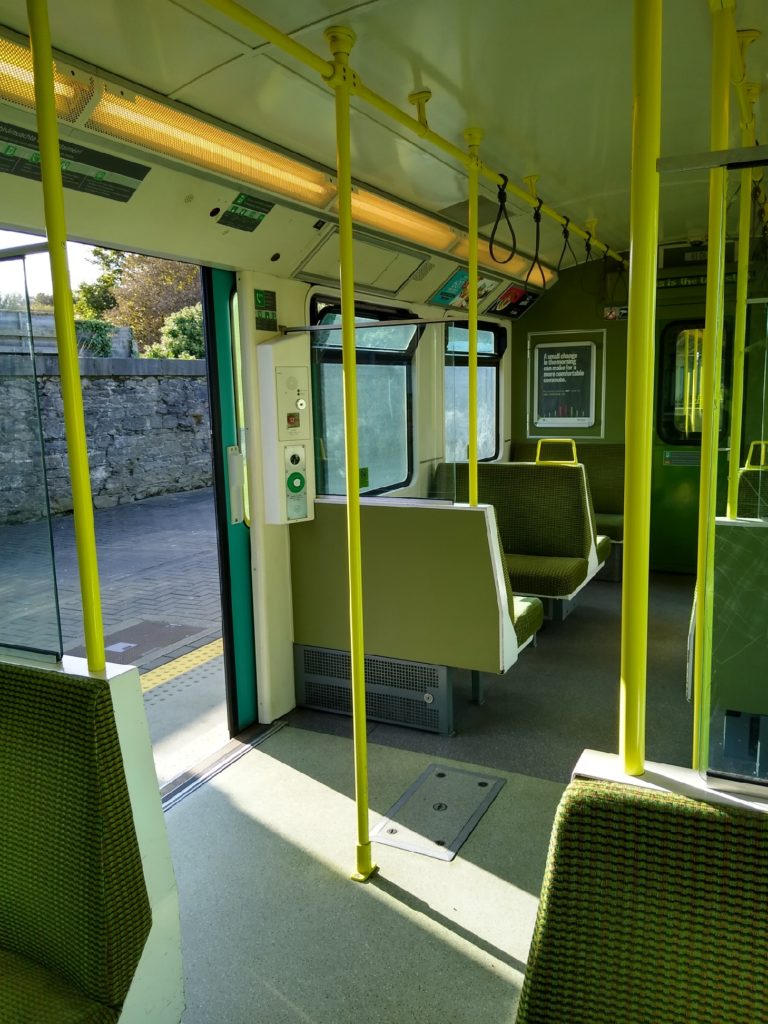
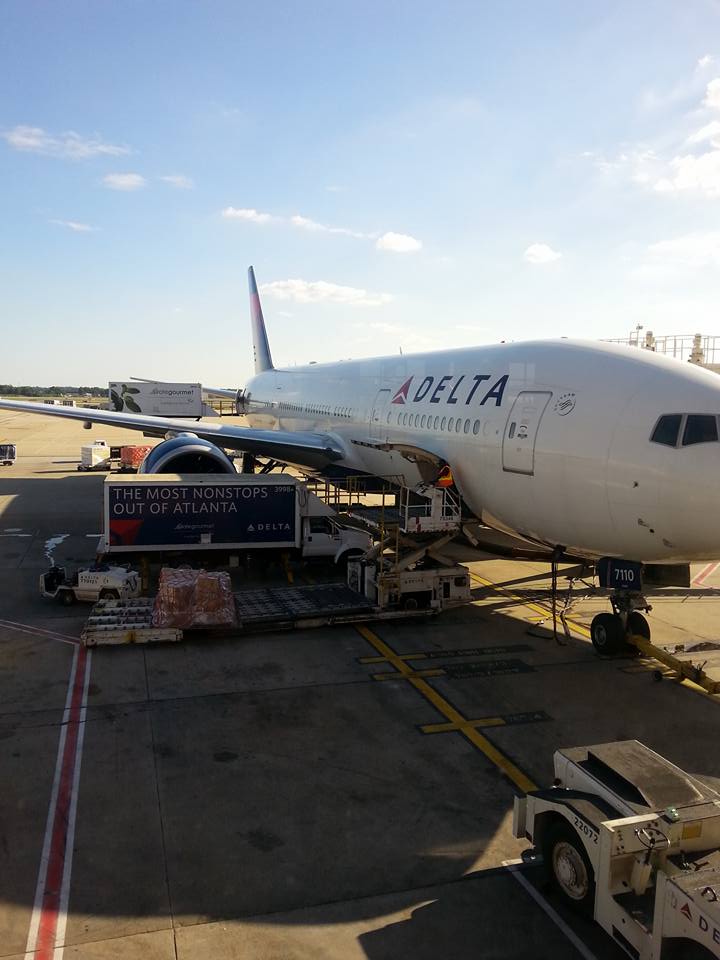
Through an unforeseen line of events, we now had to fly to London. Originally, we were scheduled to fly home from Johannesburg, South Africa on a direct flight to the US. That flight is nearly 17 hours long and spans from Atlanta to Johannesburg. And it is as long as it sounds. We were devastated that our already long trip home was now going to take even longer. We were able to reroute through London on Virgin Atlantic. There was a bit of good news, though. We’d have a small break between flying. Nobody wants to be on a plane for 17 hours.

I walked into the far aisle of our Boeing 767 aircraft and began glancing down at my ticket and up at the seat numbers. My seat was in the upper 30s. I must have looked like I was nodding—up and down, like a fool. My wife and I found our seats. And they were terrible. At some point in a large plane, the width of the aircraft shrinks. This means that a plane with seven seats across may dwindle down to five. And when it does, the seats in that row have rigid arm-rests in which tray tables are stored. If there is a way to make an airplane seat feel smaller, this is how.

Throughout the flight we dozed, watched movies, read, and I did a little writing. But even though this flight was shorter, it felt just as long as the one we were supposed to be on. Finally, with a pair of earplugs embedded in my scull, I fell asleep in an awkward position.

A faint donging noise sounded overhead. I pulled the eyeshade up and blinked. An announcement cracked but nobody moved. I pulled out an earplug just in time to hear, “…doctor on board?”

This piqued my interest, though I’m nobody’s surgeon. I am, however, a lowly ol’ paramedic who wanders the streets at night, lifting the sick-and-injured (and not-so-sick-and-injured) from the depths of the unhealthy darkness. I looked around at my fellow passengers. Nobody moved. In fact, everybody was asleep. My watch read 2 a.m. But I’m not sure which time zone. I took another glance around and made the decision to go to the front of the aircraft.

“I’m not a doctor, but I can help.” I said this to the small group of attendants huddled around a woman on the floor. She was laying in the middle of the floor in the bar area. And yes, this plane had a bar. “

I’m Terrence,” said a British man in a uniform, “the purser on this flight.”

I introduced myself and said that I was a paramedic. He looked scared and balked, “oh I’m glad you’re here. I think we may have to divert to Spain!”

anthony forrest

Part 2 to be published next Thursday, the 21st of November

Travel Journal, 37

Companions

Sometimes it’s just the two of us traveling together. Travel is so much sweeter when somebody you love is there to share in the experiences and sights. I almost never travel alone. But there is a sweet spot when it comes to travel companions. A giant bus filled with tourists rumbling from one site to the next might appeal to some, but not to me. But I’ve also heard stories of two people that may be friends on a daily basis, but might tire of each other before the trip is over.

Some porridge is too cold, some too hot.

My wife and I often travel with the same group of four or five. And that group is just right. The fun experienced becomes heightened. Conversations richly deepen. And each person’s strength becomes the groups’ strength.

One of the friends we travel with is a bold gal. She has no misgivings about walking up to a stranger and asking for direction, even if she doesn’t speak the language. She’s also gifted at striking up random conversations with random people. She is the social needle that introduces us into the country or culture we are in at any given time.

We walked along and talked during a recent visit to Ireland. Though each of us may be able to go unnoticed alone, the four of us stood out like sore thumbs. A passerby asked us where we were from. Our social butterfly stepped in. She stuck up a pleasant conversation with a man who happened to be Ukrainian.

He spoke of his president and asked about ours. They talked on about the tensions between our respective nations. But they came to the conclusion that our lives were barely affected by the decisions of faraway people in faraway capitals. In the end, a comedian from Ukraine and a billionaire from America can’t change the color of the grass in County Claire, Ireland.

As I walked along with my friends and my new acquaintances from Ukraine, it struck me that I certainly would not have had this conversation without the binding agent of good travel companions.


anthony forrest

The Garden


A stone wall stands to my right and to my left

Before me?

A little gate

But I must leave this miniature green-space

For the rain is starting

And the hour grows late


anthony forrest 

Travel Journal, 36

Aedan and the Roots

Our bus pulled into the city of Ennis in County Clare, Ireland. The only other person to get off the bus was a talkative, late middle-aged lady holding her purse close to her chest. She was apparently the second cousin of the bus driver. After chatting with him for an hour during transit, she disembarked the bus and we made our way to the front. We exchanged pleasantries with the driver and soon found out that the purse lady was not the only talkative one on that bus.

Most of my conversations with Irish people had started the same way.

“Where are you from?” they would ask.

And every time, in all of my vast intelligence, I would respond, “the United States.” In case the point is in question, it is very apparent that I am from the United States, especially when I open my mouth. Further, the Irish have a deep affinity for the USA. And the feeling is mutual. During an extraordinarily dark time in Irish history, the American people welcomed Irish refugees and immigrants with open arms. Ireland had been devastated with a crop-killing blight, sending the island into the Great Hunger. Millions died, and help was nowhere to be found. The Irish flocked to the far reaches of the world, but mostly to the United States. But the relationship has been very reciprocal. Without the Irish population, the Civil War could have ended far differently. Our roots go deep into Irish culture, and millions of Irish in Ireland have family here. It’s nearly symbiotic.

Our conversation continues. Soon, we become friendly. Names are exchanged.

Aedan drives commuter bus all over the southern par of the island. He tells us of his family in the USA. He smiles with pride. And I can’t help but draw similarities between our two countries. All I can think of is how many people are doing the same thing right now in my own country—excitedly telling somebody of a long-lost family in Ireland.

Aedan tells of watching American TV in the 70s and how he had never had a milkshake until his first trip to America. He goes on and on and it’s refreshing. Aedan marvels at the beauty of the Grand Canyon. And I express my marvel at his Emerald Isle. Perhaps there’s a lesson there. But maybe not.

Our two countries have shared roots and connections that reach far deeper than this. But it is a beautiful thing when those roots occasionally spring to the surface.


anthony forrest 

Travel Journal, 35

The Cliffs of Moher

There are times during our travel when we seek out the “unvisited.” This world is dotted with tourist attractions and traps that draw people from everywhere. And often, these places do not attract me. The last place I want to visit is a crowded beach, an overfilled museum, or a man-made tourist trap. I would much rather be the only American walking through a market in Tachileik, Myanmar; or maybe be invited into a local’s home for tea. But not every trip has to be hellbent on avoiding every popular location. Some spots you should just see, busy and iconic or not. In fact, some of the most amazing places on earth are indeed “touristy.”

The Pyramids in Cairo.

A sunset in the Caribbean.

Have you seen the stunning exhibits at the British Museum in London?

How about the leaning Tower of Pisa?

Or the Grand Canyon?

Try seeing any of these (and more) without the crowds or acres of fanny-pack wearing tourists. But missing out on the iconic places on earth is just that—missing out.

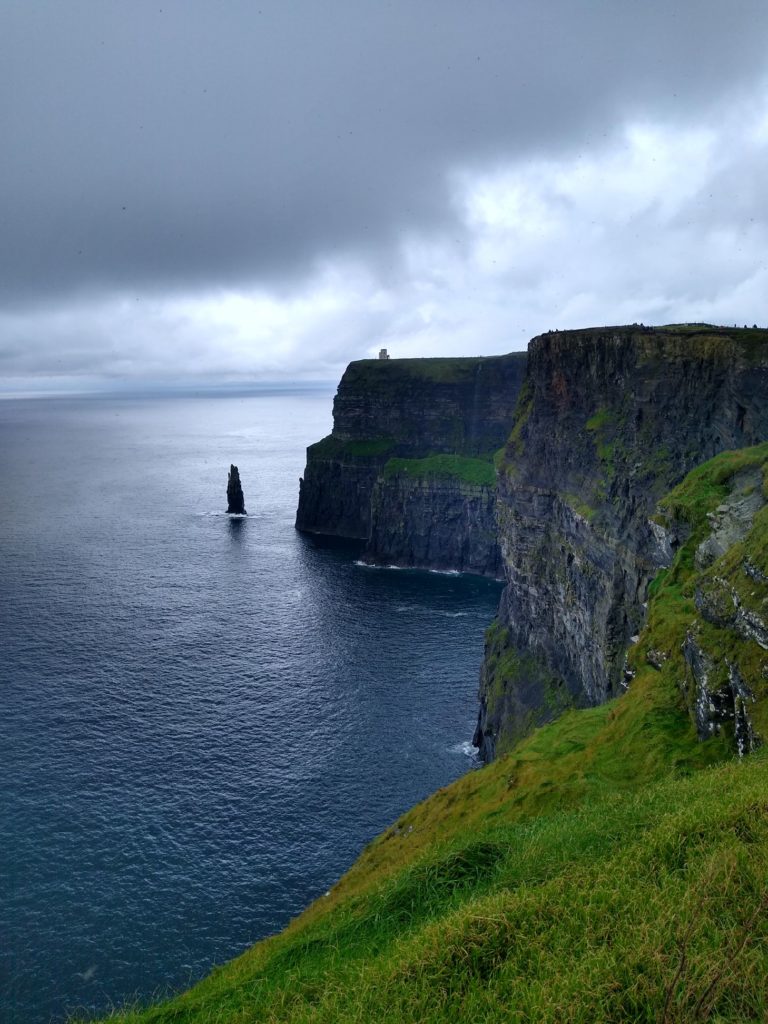
One such place is located in County Clare in the west of Ireland. Just south of the seaside city of Galway, runs a length of ocean-carved rock formations called the Cliffs of Moher. This location draws nearly a million visitors every year—and there’s a reason.

The raging sea hundreds of feet below slowly chip away at Ireland’s coast. At the top, strong cold winds create waves along the tall grass on rolling hills. The sheer majesty and the dramatic vertical plunging of cliffs evoke emotional overflow and speechless stillness.


Tall grass green

And short tufts too

Lay head

Sloping toward rough oceans

And not so blue

But grey and wild

A Wild Atlantic Way

Turning, curving

Rocky coast carving

Covered in ocean spray


Sudden stop


A drop

Without warning

Solid rock walls

Often trouble by storming

Stand as Garda

With enemies naught

Save wild waves

Who win (eventually)

All battles fought


anthony forrest


Pursuing Whimsy

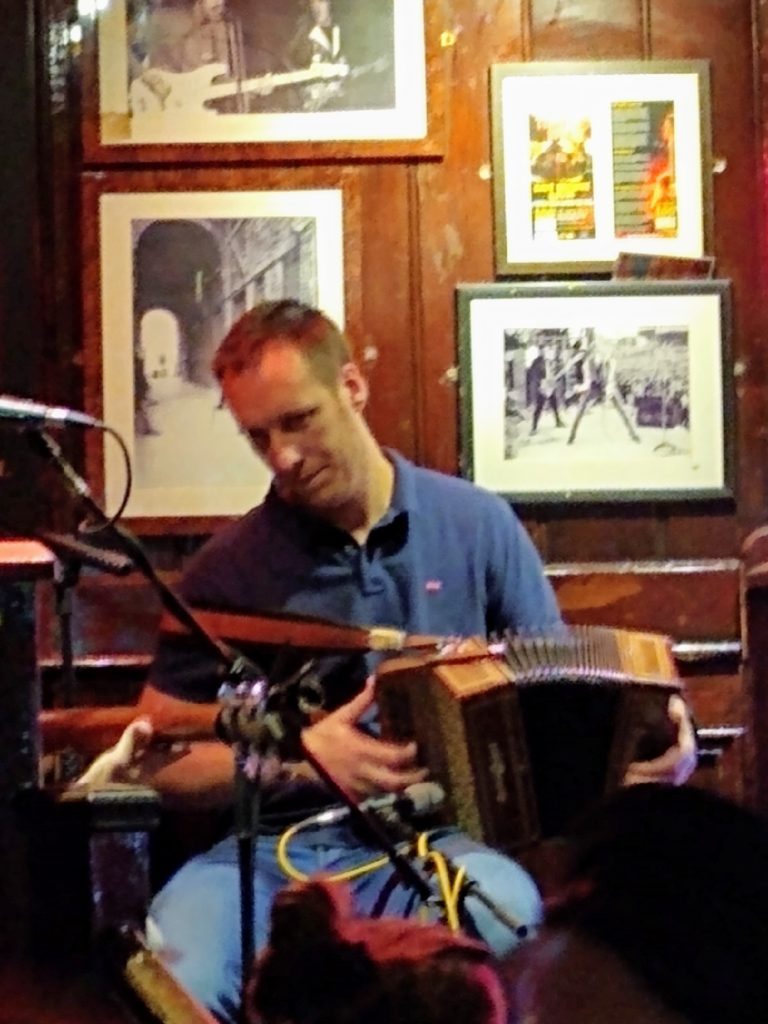
Random Concertina Player in Dublin

Sitting down in a classroom

I looked around at students hungry and young

Suddenly

All about us sat instruments

Of the musical tongue


There were oboes and flutes

And trumpets and violas

And every kind to suit

Every whimsy


With a stern look the teacher said, “Choose!”

“Which will be your musical muse?”


But all was silent

None said a word

Until the teacher eyed my smirk

And was clearly disturbed

“I choose,” said I,

“that lonely accordion there.

The one in the corner

Sitting without care.”


Laughter abounded

But still

I smiled

And thought of the organ-like tones


I lifted the box full of notes and air

And placed my hands on its side

The shiny red buttons (when pressed)

Would bare

All the music my soul could no longer hide


I squeezed my squeezebox

My dusty old bellows

And out came a beautiful sound

Music rose and rose

From that shaky old bellows

Music rose all around


Every student and even the teacher

Stood and began to dance

At the sound of my squeezebox

And shiny red buttons

No other instrument stood a chance


So my bellows sang out

And the classroom was a street

In the Old Country markets

And merchants sold silk and trinkets and meats


So I played my accordion in another time

Coins fell into my cup

A monkey sits on my shoulder

He dances too

So do all

Young and even older


As a parade goes by

My music plays on

And my bellows sing tunes

Low and high


Off hops the monkey

But now the monkey is a child

And he begs, “oh, just one more song.

Play another bellows song slow and mild.”


I play for the children at my feet

In my old age the accordion plays on

But the scene is fading and shrinks away

I can no longer remember the songs


The classroom is empty of the markets and children

And the teacher rambles on

Students make notes on boring subjects

I raise my hand only to cover a yawn


No one says a word

So I sit quietly without my bellows

Forever my accordion music

Will go

Unheard


anthony forrest

« Older posts Newer posts »

© 2025 Travel and Verse

Theme by Anders NorenUp ↑