Travel and Verse

stories of travel, medical missions, and more

Page 15 of 26

Favorite Trips: The Wall

Once a month I will post a favorite story from the year prior.
Travel Journal, 59

“What this?

“You have drugs?

“Is for party?!”

We had heard this and other inquiries like it for several minutes now. All around us, heavily armed soldiers stared at us, unmoved. We had been in Jerusalem for only a couple of days and it seemed that we were already in trouble.

Please understand this: Israel is safe to visit. The news publishes the exception, not the rule. That being said, bad things happen, terrorists attack, and the middle east constantly wallows in unrest and tiresome Status Quo. While we boarded our flight to Tel Aviv, a commotion caught our attention outside the aircraft. Several police cars and fire trucks congregated between our plane and another. After a 45-minute delay, the pilot announced that we would be under way shortly. Upon arriving in Israel, our friends met us with wide eyes and concerned looks. Our flight had been the target of a bomb threat. Later that day, a terrorist in Tel Aviv stabbed and killed 9 people on a bus.

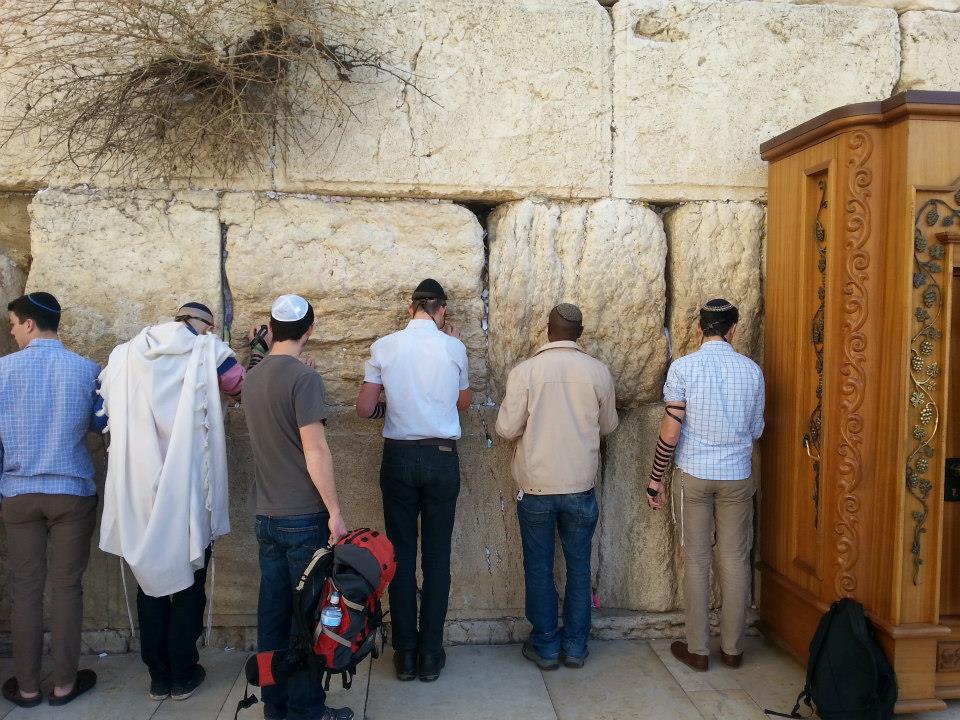
And now here I stood at the Western Wall, trying to explain to the small army of Israeli soldiers that the small clear bag of Tums in my wife’s purse was not actually illegal drugs. After they we entirely satisfied that we were not starting a drug distribution ring at one of the world’s most important religious sites, we were escorted through the gate.

Men and women are separated here. Men must have their heads covered and never turn their back on the Wall. Women must have their arms, legs, and heads covered. The name of the game is respect. With our respective head coverings, my wife went to the right side of the gate and I went to the left.

After all of the intense security and unsafe occurrences, my heart pounded even harder at the peace that stood in front of me: an ancient, 62-foot-tall, limestone wall. Small slips of paper inhabited every crevasse of the old stones. Each slip had a prayer for something—most of them for peace.

And I shouldn’t be surprised.

This is Israel.

The land of war.

The land of peace.


anthony forrest
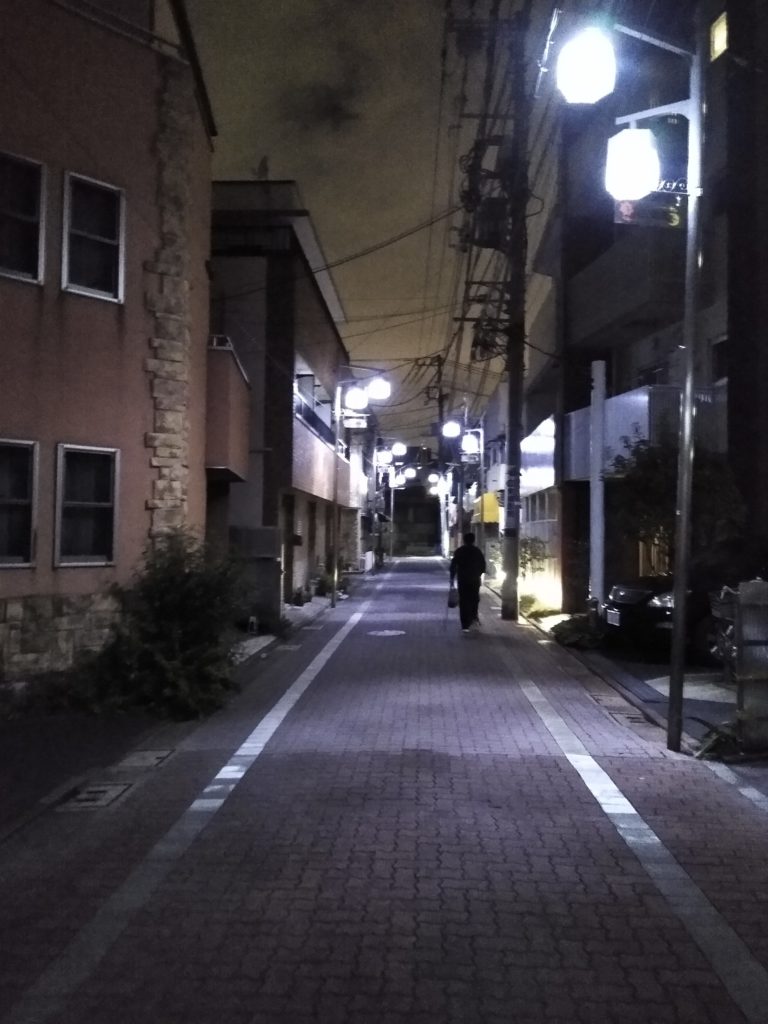
Lament for the Empty

Empty streets in every town

Lead to shops with signs that say “closed”

Empty footfalls not heard on the ground

Of sidewalks that lead to nowhere but woes

Impossible to read a covered face

To draw out a hidden smile

We read the eyes and search for a trace

Of hope in our unknown trials

Empty hearts cry for peace

But look around the wrong corners

Instead—look to Christ, for He will please

And soothe the soul of every mourner


anthony forrest

Andes Mountain Milk

Travel Journal, 58

When thinking of weather in South America, the first thing that came to mind was hot and humid jungle. I’d imagine that most Americans think the same way I did. But there I was, sitting in the back of an old pickup truck with a jacket pulled tightly over my chin. Our truck bulged with passengers, in the cab and in the bed. I sat on a spare tire in the bed of the truck with several others, Americans and Bolivians alike. I had been in Bolivia for about two months. And the weather was one of those surprises that arise when traveling outside the country for the first time. Our vehicle rocked into holes and threw dust as we slowly careened off the barely-maintained road and into a field. I would like to say that it was an open field and give you unending details, but my memory is only so accurate. Besides, the fog hung so heavily that, save for the driver, none of us could tell where we were going.

It’s the cold, misty fog that chills the body. I’ve lived in many cold climates throughout my life. From the windy and dry winters of the American west, to the timeless and immovable snow-seasons of the north, I can pretty much handle the cold. But nothing had prepared me for the surprising weather of the Andes Mountains. Far south of the equator and high in the mountains, lies the tiny hill town of Pucara in a region of South America called the altiplano (or high plains). I could relate to the altiplano, to some degree. I grew up in Cody, Wyoming which sits in the Bighorn Basin—a high plains desert area in the northwestern part of the state. The winters are cold, windy, and unpredictable.

But this Andes Mountains winter was ridiculous. Cold fog hung all around. Soon it would turn into a mist and soak everything, including me, right to the bone. Every building was made of adobe brick, which hold and trap the cold. For a while, I rarely ever felt warm.

That was about to change.

Our old truck came to a stop with a lurch. We billowed out and stretched our tight and rattled muscles from the drive. As the foggy mist began to clear, I could see a Bolivian man huddled next to a brown cow. They were revealed like a dream coming through the clouds. We walked over to him and he chatted with us like he expected us to arrive. He sat on a small, three-legged stool and milked into a large bucket. With smiles abounding, he produced a small tin cup, white in color (questionable in cleanliness). And for the next half-an-hour, we each took turns drinking warm and frothy milk directly from the udder of a Bolivian cow.

Beside the fact that it was a lukewarm body temperature and I occasionally had to pluck out udder hairs from the foamy milk, it warmed my body and soul through and through.

anthony forrest

Awake

Pine boughs awaken from their timeless frozen sleep

While the decaying remains of dirty snow melt from a heap

Singing bids that bounce and flutter

Talk of Spring and how the Earth begins to muster

All her strength to change her gown of Winter

She dresses now in something less bitter

In trappings of sunshine—a Springtime gem

And the warmth of a new season begins again

anthony forrest 


How to Meet Famous People in the Airport

Travel Journal, 57

Years ago, my wife and I began making a list of 50 things we’d like to do before we turn 50. Some items are easy, some hard to accomplish. And then some of them are just plain weird.

For so long I’ve wanted to meet someone famous while traveling through and airport. To be walking along and see a popular TV or movie star would be incredible.

I would walk up and ask, “hey, are you [ENTER FAMOUS NAME HERE]?”

“Why yes,” they grin in their terrible disguise of ballcap and sunglasses. “Would you like a picture?”

I would get a selfie and have them sign something, then we’d go our separate ways.

The problem? I’m pretty sure that I could never recognize anybody. And I don’t keep track of who’s popular anymore. It’s a paradox. I want to meet somebody famous. But I never will.

That is, until I walked up to my gate in the Atlanta airport. The delay on our flight to Lima grew longer and longer. We’d boarded and deplaned after a mechanical problem. I stood toward the back of a line of tired passengers, ready to be at their destination. My attitude had faltered, but I was determined to recover it.

So I struck up a conversation with a lady in front of me.

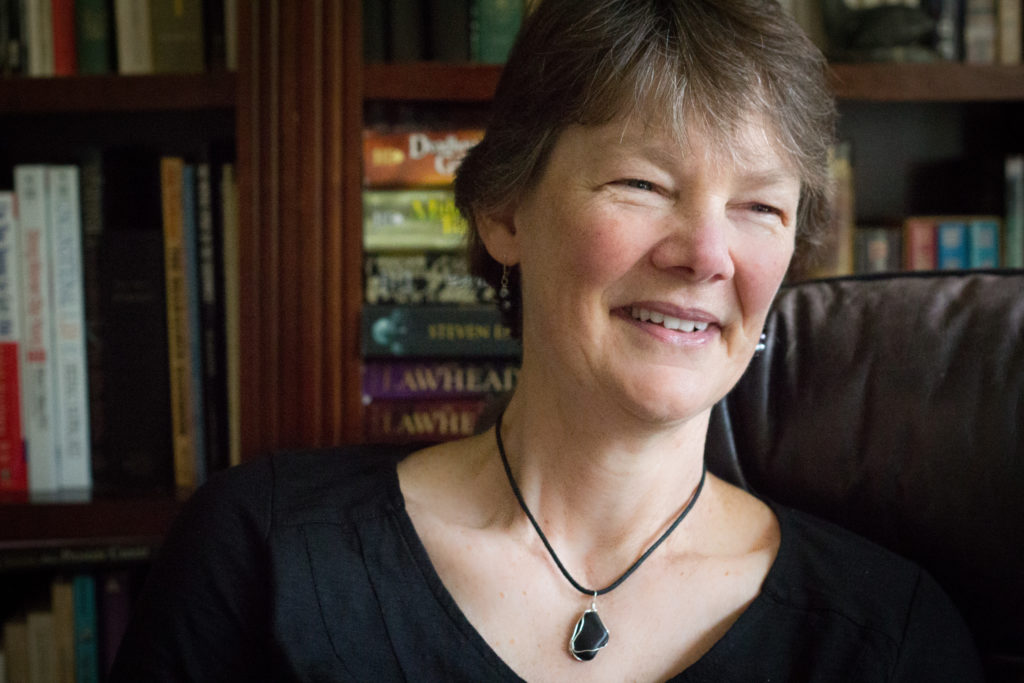
“We’ll eventually get there,” I said, making small talk. She was a kind-looking lady of maybe 60, traveling with her son. Another son was getting married in Peru. We talked of Peru, our respective plans, and then our conversation turned to occupation.

“What do you do?”

“I’m a children’s book author. “

“That’s incredible!”

“Thank you. I write stories and poetry.”

And Joyce Sidman isn’t just any author. She is a multi-award-winning crafter of words. Her poetry and stories bring joy, provoke thought, and nurture souls. If you can find Dark Emperor and Other Poems of the Night, please pick it up (link below). This Newbery Honor winning collection of poetic animal tales and night reflections is breathtaking for kids and adults alike.

As I found my seat and tucked into our six-hour flight, it hit me. I had just met somebody famous in the airport. It hadn’t been the latest action star or big-name in music. Joyce was so much more than that. Her work is actually important. Her work inspires, educates, nurtures hearts, and downright delights.

And it delighted me to meet her.

anthony forrest


About Joyce:

Joyce Sidman is the author of many award-winning children’s poetry books, including the Newbery Honor-winning Dark Emperor and Other Poems of the Night, and two Caldecott Honor books. Her recent book The Girl Who Drew Butterflies: How Maria Merian’s Art Changed Science won the 2019 Robert F. Sibert Medal. She also received the NCTE Award for Excellence in Children’s Poetry, in recognition of her body of work. In her home state of Minnesota, she teaches poetry writing to school children and walks through the woods with her dog Watson.

Live and Trust

An ocean’s length from here to there
Fighting rages beyond repair.

Scores of children—hungry, dying
Getting better? I would be lying

And every day—a money scare
all in a broken world.

A thousand miles away our leaders fright
In evil do these men delight

Money and power, money and power
Getting worse by the hour

Our country improve?
No, try they might.

all in a broken world.

Work now scarce and money too
Struggle comes with each day new

The cost of breathing rising, rising
This depressing world we are despising

So with each day that comes
Do I color it blue,
all in a broken world?

Apart from it all, here I sit
Admiring the morning, God’s sacred gift

A timber’s branch quivers when lands a bird
Then my fluffy friend jumps, leaving the branch undisturbed.

Misty fog gathers dripping from pines
All of these things sooth my mind.

My Creator comforts, loves, and cares
And cries, “Be still, My love I share!”

Comforting peace beyond understanding
His Holy Spirit forever now granting.

A simple life of loving God,
and God loving us is all we must do, live and trust

all in a broken world.

anthony forrest


Field Notes, Peru

Epilogue: The Boat

Travel Journal, 56

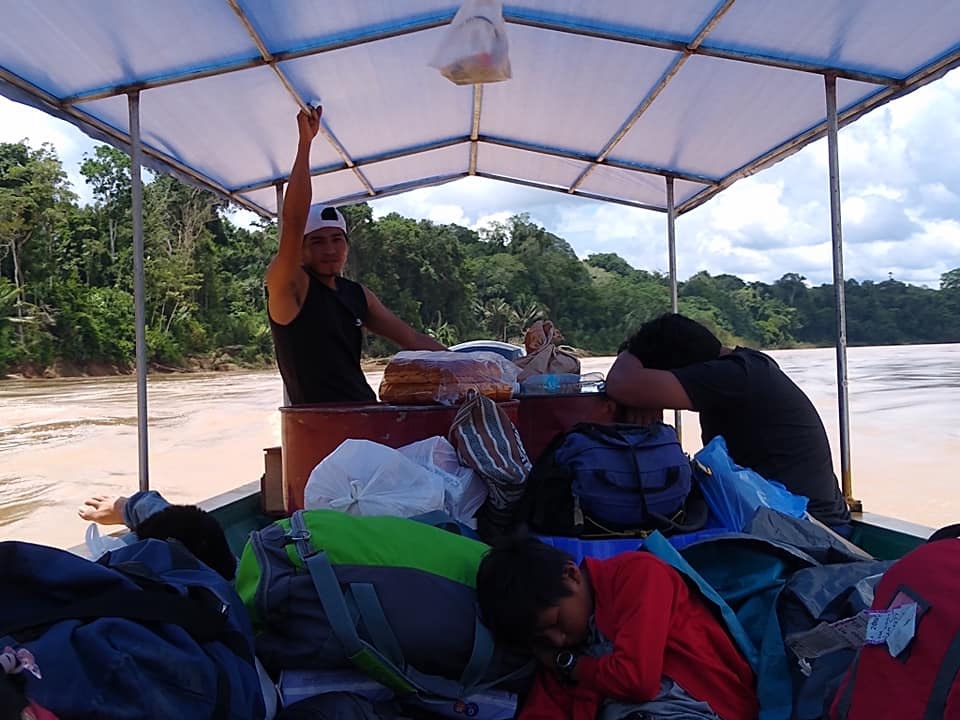
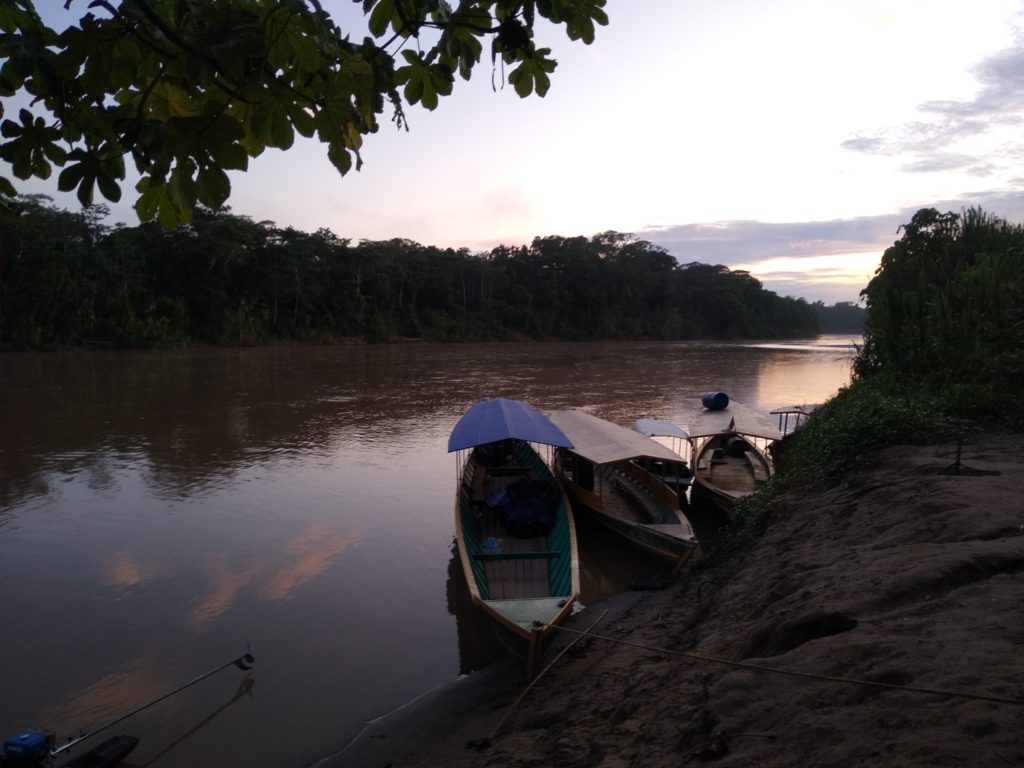
On a sudden, the motor coughed, sputtered, and gave up the ghost. The rapid river was now in control. The small crew at the back of the boat fought with the motor to try and get it started, to no avail. Soon the boat lazily turned and turned until this motley little band of river rats were nearly perpendicular to the oncoming river currents. With the river so high due to the frequent rains this time of year, it can be difficult to see semi-submerged logs protruding from the surface.

But directly in our path lay just that. A dead tree, about 10 inches in diameter jutted out from the river surface, and straight ahead. We all saw it. Some of us climbed onto the edge of the boat, hoping to push away from the branch when it approached. Others continued to try and get the motor started.

Everybody grabbed onto something.

But it was far too late. The boat heaved and rocked onto the side closest to where the branch just hit us. A loud banging noise came from the metal vessel. Then, like a pendulum, the boat rocked back, overcorrecting and tossing the passengers to the other side. Thankfully, nobody fell into the water. The branch scraped along the bottom of the boat and disappeared behind us.

Troubleshooting began.

“That’s what we call a near miss.”

“I’ll say.”

Eye’s wide all around.

“We’ve got to tie this boat off if we can’t get the motor started.”

“Where? Nothing here but rocks.”

“Over there—see, the beach. Plenty of trees.”

The boat now turned freely in the fast-moving river.

Shoes off.

Rope in hand.

Into the river.

Another into the river. Both swam to the beach.

Success.

We avoided catastrophe narrowly. And it kind of sounds adventurous. If the river had flipped the boat, it would not have been its first victim. All of our medical supplies and gear would have been lost.

Some dream of adventure; find it, they may. But our goal was not to find adventure. Our goal was to bring care and love to a people in need along the Las Piedras river in Peru. God’s guiding hand protected us along the way.

anthony forrest


Related Tales:

Prologue to Field Notes, Peru: Return to South America

Part 1 of Field Notes, Peru: Medical Nomads

Part 2 of Field Notes, Peru: A Bird Who Brings Bad News and Good News


Peace

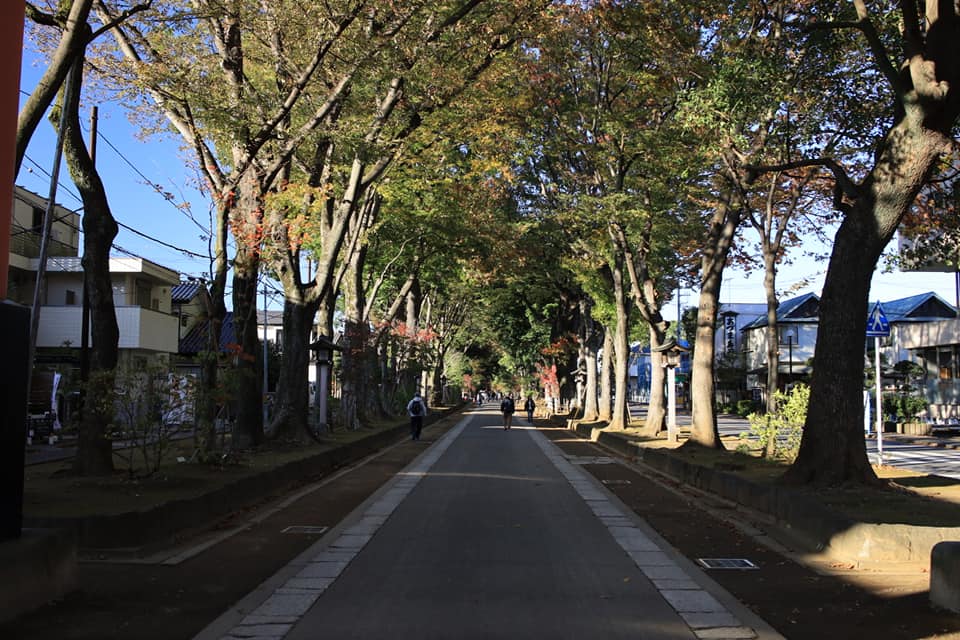
Photo courtesy of Epic Pathways: Saitama, Japan

Warmth that caresses my soul

when troubles come

then slowly go

a gentle breeze

through the leaves

that are my soul

My Father’s hand is in control.

How calm the hand,

my Father’s hand

and scars I see

on these palms

of Jesus, Saviour

I see He bled for me.

That same hand

so tender, caring

holds me lovingly

but firmly, quietly

in true peace that teaches skillfully

…and quietness I finally learn.

anthony forrest

Field Notes, Peru

Photo Courtesy of Erica Woods

Part 2, A Bird Who Brings Bad News and Good News

Travel Journal, 55

Wednesday: It’s not worth it, save for the love of people—fed by an intense love for God.

He decidido seguir a Cristo. No vuelvo atras, no vuelvo atras…


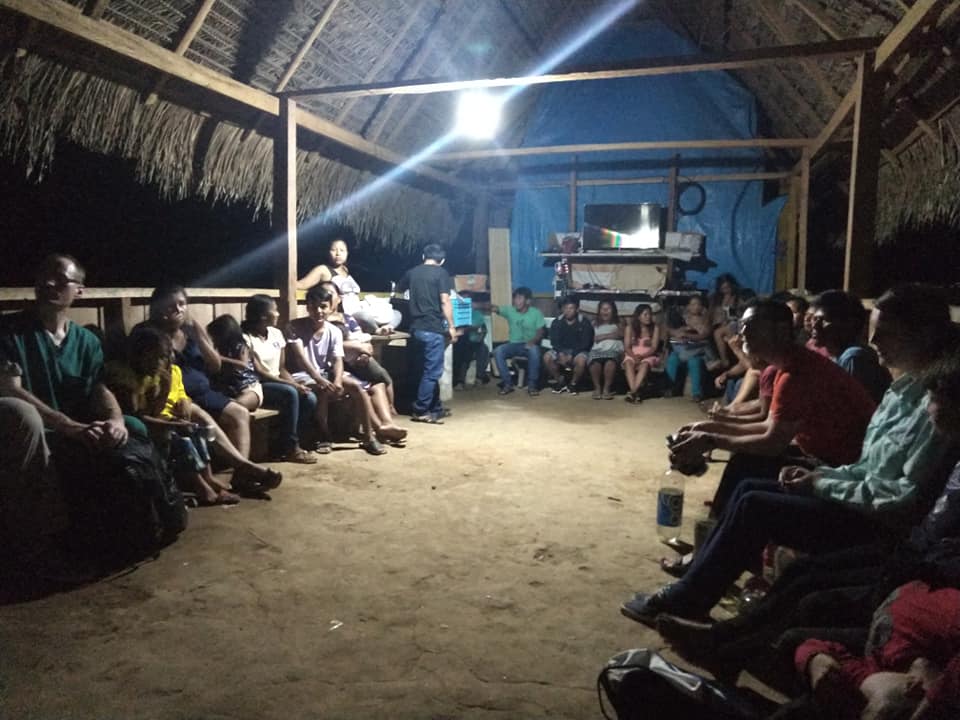
Each day, our team’s routine varied little. Pack the boat. Go to the next village. Unpack the boat. Set up camp. Host clinic. Eat dinner. Try to sleep in the insanity-inducing heat. But somewhere in that itinerary of jungle travel we always hosted a service of singing, Bible reading, and a telling of the greatest tale of all time.

Our boat eventually made it to the furthest village up the Las Piedras river. It’s the furthest that we traveled. It’s the furthest village up that river. And it’s the furthest up the river anybody is allowed by the Peruvian government. It took us 18 hours by boat to get here. On the map, it’s just a large space of green.

The Brazilian border lies up the river a mere 30 minutes by boat. And the village of Monte Salvado is the last outpost, bordering on a kind of refuge. Here begins an area of land which encompasses a mass of Peru set aside for indigenous peoples who have yet to be contacted—tribal people who want to be left alone. Last October, a group of these people attacked Monte Salvado and stole food, shooting somebody in the head with an arrow in the process. That was October, not 100 years ago.

But the Yine people live here nonetheless. And they thrive. But not without need.

Yes, the people that live along the Las Piedras river need medical care. And we gave it. But they need something else so much more.

When the missionary who led us on the trip first ventured into that part of Peru, the people there gave him a name in the Yine language. It’s unpronounceable for the American tongue, but roughly translated it means A Bird Who Brings Bad News and Good News. And when he traveled up the Las Piedras river, he did bring both bad news and good news.

The bad news was that each and every person in God’s creation is flawed, and completely misses the mark. Humankind is rebellious against God who demands justice. And from our conception, our veins course with sin. We have no chance of fixing this problem, because the price is too great.

But he also brought good news. God’s own Son payed the price. He was perfect and died to pay that price. He died in our place and made it possible to have a relationship with the perfect Creator. We now have only to turn to Him in belief.

This week of hosting clinics and services is far too much work. Long days, and hard work make it seem like it’s not worth the trouble. But these people need care for both body and soul.

They need to hear. And how will they hear without a preacher?

It’s not worth it, save for the love of people—fed by an intense love for God.

I have decided to follow Jesus. No turning back, no turning back…

anthony forrest

Related Tales:

Prologue to Field Notes, Peru: Return to South America

Part 1 of Field Notes, Peru: Medical Nomads

Dark Souls

River days end in Peruvian rains

Look overhead and see the sky stained

Parting clouds reveal the sun

Whose rays bring the forever heat of Amazon

Life doesn’t stop for rains unrelenting

Rivers rise high and strange birds sing

In harmony

Of boat-song, motor-drone

Of long canoes bringing dark souls home


anthony forrest 

« Older posts Newer posts »

© 2025 Travel and Verse

Theme by Anders NorenUp ↑